Indie agencies deserve the same programmatic firepower as the holdcos. Now they have it.
Cat Hartland UK Growth Lead, SBS
Interviewed by Justin Cooke
Published
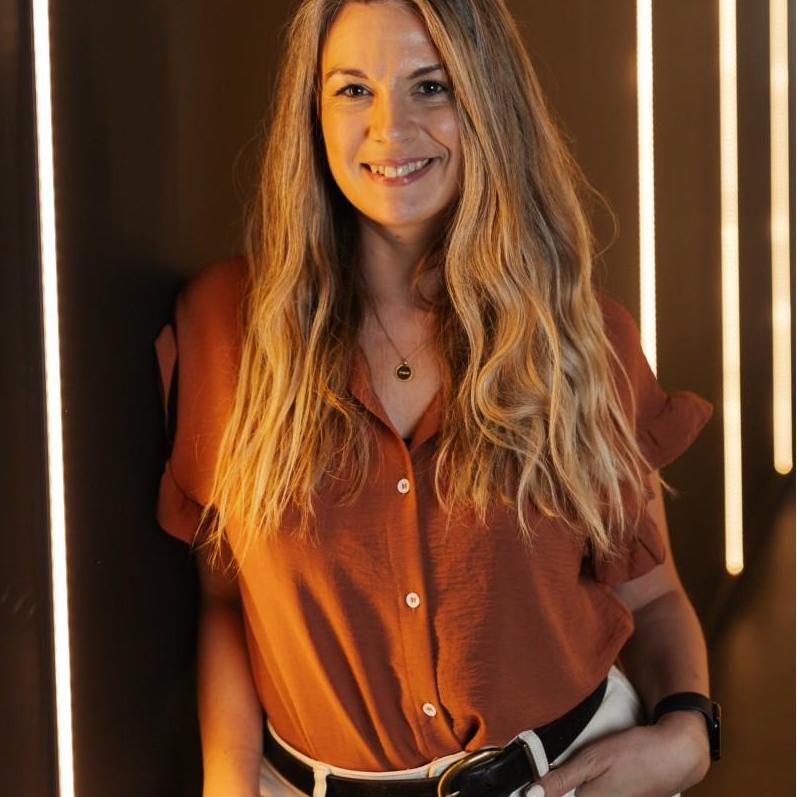
Cat Hartland is UK Growth Lead at SBS, the programmatic platform built to give indie agencies fair access to over 50 ad-tech vendors and the programmatic expertise to use them. SBS officially launched last year, though the partnerships behind it have been building for over five years. Founded by Jason Warner, the business sits between vendor and indie agency, removing the bureaucracy and red tape indie agencies face when trying to access the platforms holdco talent took for granted. In this conversation Hartland sets out the structural problem SBS solves (talent leaving holdcos to set up indie agencies and finding their hands tied behind their back), the flexible self-serve to fully-managed-service model, the everyone-wins philosophy that runs through SBS's vendor, client, and team relationships, the energy and kindness she hires for, and why she advises her younger self to question, explore, and learn quicker.
What SBS is, and the structural problem it solves
The proposition.
I'm Growth Lead for SBS. SBS officially launched last year, and we're giving indie agencies fair access to a wide set of marketing and advertising technology for programmatic, together with the support and expertise of our programmatic specialists. The word solution gets used a lot in this industry; this is genuinely addressing a real problem.
The problem is the bureaucracy indie agencies face in accessing the technologies they need, particularly those who have come out of holdco agencies used to luxuries they didn't even realise smaller businesses don't have. The access matters, and so does the expertise required to deliver quality programmatic campaigns. Many people shy away from programmatic; it can feel big and scary. Done right, it's a genuinely powerful way to connect with audiences. SBS gives indie agencies a fair advantage, removing the red tape so the talent that lives inside indie agencies can deliver world-class work.
On where SBS came from.
While SBS as a brand launched last year, the technologies and the partnerships have been building for over five years. That matters. A typical indie agency is building a relationship with one, two, or three platforms. Is that the right platform for that campaign? Do you know enough about each technology? What else is out there? SBS has formed genuine partnerships with 50-plus technologies across omnichannel: out-of-home, social, all of it. We understand each technology and how to implement it within campaigns.
The vendor side, and the talent exodus from holdcos
Why the partnership model works for vendors too.
It's understandable from a vendor perspective that they prioritise bigger accounts; that's how they scale and become profitable. They want to service the small accounts because those can grow into key accounts, but it's hard to do at scale alongside the larger relationships. SBS is the layer in between. Campaigns still run through the vendor's tech, but the vendor doesn't have to be hands-on with every small relationship. We support those agencies and deliver the campaigns on the vendor's technology.
A specific example of the new client pattern.
We started a new relationship in January of this year. An indie agency formed by talent that came out of a holdco. We see this repeatedly: people leaving holdcos to set up boutique agencies, bringing their expertise and their clients with them, then finding themselves limited. Their conversation with us starts with we were used to these luxurious technologies, teams, and resources, but we now struggle to deliver our campaigns or we're limited. We give them access and the freedom they had before, but now as an independent agency. The light-bulb moment is genuine. They can scale quickly and deliver immediately because the tools are there.
What sets one agency apart from another is the people. Often inside a holdco relationship, it's one or two people the client genuinely trusts; when those people leave, the trust travels with them, but the tools don't. SBS solves the structural problem that holds the new agency back.
Flexible model, and the everyone-wins philosophy
On the spectrum of services.
We've structured the service flexibly. At one end, self-serve: we give you the platform you're used to delivering campaigns on, you run through one platform, off you go. At the other end, fully managed: you don't know anything about programmatic yet, that's fine, let us deliver the campaigns. You create the assets, we run the traffic.
We can sit anywhere in between. If you want to build a team gradually and offer media, advertising, and promotional services in-house, we hold your hand through the transition to fully self-managed. For agencies that have been building digital products (websites, apps) and want to start driving traffic to them, this is a particularly easy first programmatic step. For brands looking at in-housing, the same flexible model works at the client end.
On the partnership principle.
Partnerships are when people come around a table to work together where everyone wins. We don't use the word competition; we use community. That applies to clients, vendors, and our own team. The everyone-wins outcome isn't easy to get to. It requires open discussion and smart thinking. It can be ineffective if there's an imbalance of value: one stakeholder leaves nothing on the table, another leaves everything. When you get it right, the result is genuinely powerful.
Choice on talent, conscious-programmatic, and community marketing
On the receptive client side.
Clients are highly attuned now to where the talent sits. They know the indie agency world holds it, but they struggle to unearth the golden nuggets. Indie agencies don't have the big media budgets the network agencies have to reach those clients. Clients are open to the talent and opportunity inside the indie agency community. Many clients are now running some media campaigns in-house too, so the flexible model works for them as well. The result for the brand side is choice on the basis of talent rather than on the basis of scale. The previously limited choice is no longer limited.
On the technical capability.
Programmatic has fear around it, which is understandable; reach, control, brand safety. SBS sits as that safety layer. We track campaigns and the placements where creative appears. We can track ROI and carbon footprint through the programmatic campaign. These details matter, and many agencies don't have the bandwidth to manage them alongside the rest of their day-to-day.
A specific go-to-market activity.
Something we tried last year that worked: inviting our vendors in to run roundtable discussions and learning sessions for our clients. The vendor talks about their technology, the latest updates, trends, and insights, and the agency learns. It's genuine upskilling. We're building on that this year. We're at our industry-week event currently; Cannes, South by Southwest London, and Prolific North in Manchester are also on the calendar. The discipline is getting out there, building the community, and bringing clients and partners together.
Simple, clear, resonant: how growth is measured
On how growth is measured.
The first step for SBS was the messaging and the proposition. The test was whether it was resonating and producing the light-bulb moment. Propositions are never complete; they evolve. Saying the right thing in a clear and simple way is what's kickstarted growth.
The next phase is building community engagement in the right places. Clients are now coming in. The phase after that is looking at the different audience types beyond indie agencies; this isn't divisive. We're here to support indie agencies, and the holdcos exist for the right reasons. There's an interesting question about how SBS might support them in future, particularly around building teams, expertise, and talent.
The discipline is phased. Optimise as we go, do it cautiously, ensure the right service level. This isn't only scalable tech. It's a service.
Energy, passion, kindness, and the persistent indie-agency pressures
On the team.
Energy and passion are two things that set people apart. That goes for the people we hire and the partners we work with. Kindness is underrated. We're all here to earn a living and do good work; we don't need the extra plate of bad behaviour. Some of us have experienced that earlier in our careers. It's embedded in how we work as a team and how we move forward.
On the persistent pressure.
The struggles for indie agencies don't go away. There's always something new lurking. The age-old growth problem keeps agency leaders up at night. Isolation is part of it; many agency leaders, navigating everything, get lonely and start self-doubting. That's where community matters: to bring people together, build confidence, and collaborate.
It's been one blow after another for the last five years. The recent budget added another challenge. Talent (retention and attraction) is another plate to spin. SBS comes in to take one of those plates away.
On the global plan.
Programmatic is global. We work with 50+ technologies so we are global by default. We've got a team in Italy in Milan with partners. Jason is from Canada. We have Indian heritage in the team. Diversity at the core gives us expertise globally. Crack the UK first, sustainable growth, then go from there.
On career advice.
Question, explore, learn quicker. When I came into the industry 20 years ago, I quietly questioned things in my head: why is it done like that, why is this tough competition when collaboration would open more doors? I sat quietly, as a young woman in the industry tended to. JD Osman at Propeller, one of my first bosses, empowered me to ask questions, provided a safe space, let me run with it. As soon as we started questioning the we've always done it this way answer, great things started to happen. There should be no silly questions when you're young and new to the industry. Question, explore, and learn quicker than I did.
The question for the board
If indie agencies now have the same programmatic firepower as the holdcos, what share of our media budget reaches the smaller, sharper teams?