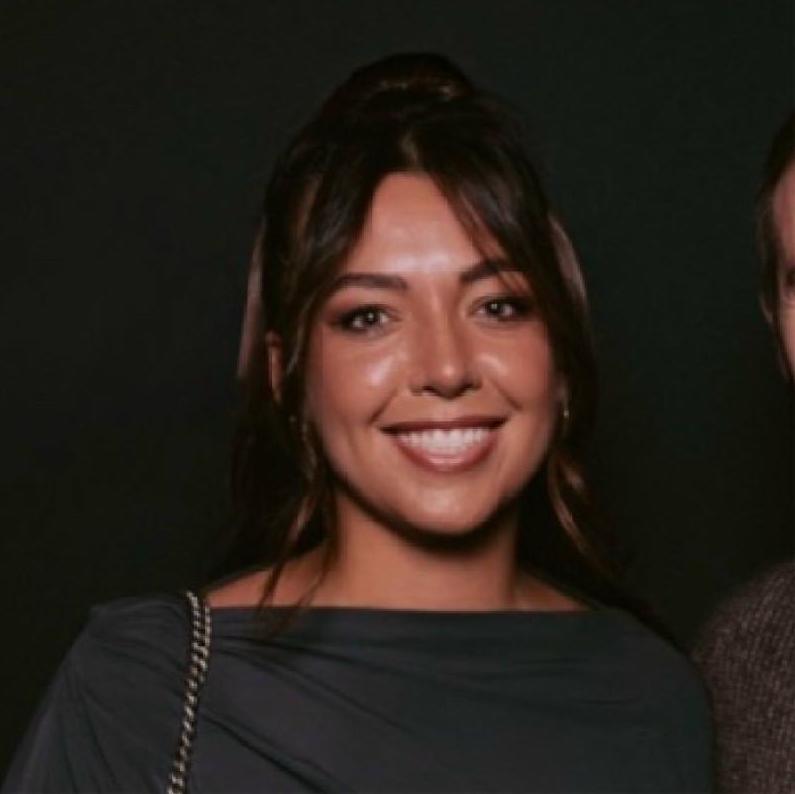
Worlds Beyond Gameplay
Giulia Zecchini, formerly Commercial Strategy Director at ESL FACEIT Group and now Partnership Development Lead at Arsenal FC, brings Formula One’s data rigour and professional basketball’s community instinct to global brand partnerships. Her case is clear: gaming is not a trend to dip into, it is a culture to commit to, and the brands that do are rewarded with audiences that chant their name.
“The gaming community is very vocal. You need to make sure you are adding value throughout whatever you do.”
Giulia Zecchini is a commercial strategy and partnerships leader who has built her career at the intersection of sport, data, and culture. Formerly Commercial Strategy Director at ESL FACEIT Group, the world’s largest esports company, she now leads partnership development at Arsenal FC. She is also an active investor, FIBA presenter, and co-founder of Sneaker Sisterhood.
Giulia grew up playing professional basketball in Milan before building a career in sports analytics and commercial intelligence. She began in the football industry at Nielsen Sports before joining Formula One during the Liberty Media acquisition, where she led the business intelligence function for the Commercial and Partnerships team, working with partners including Rolex, Heineken, DHL, and Aramco. When COVID opened a window into gaming, she joined ESL FACEIT Group in 2021.
At EFG, she led the commercial strategy function for four years, sitting at the intersection of data, creativity, and brand partnerships to help build authentic gaming collaborations that resonated with over 225 million gamers annually. Her work spanned 26+ live events globally, from Rio de Janeiro to Tokyo, and partnerships with brands including DHL, Intel, and Monster. In June 2025 she joined Arsenal FC as Partnership Development Lead. Alongside her commercial career, she co-founded Sneaker Sisterhood in 2019, one of the largest female communities in the sneaker and streetwear space.
“We have people in our arenas chanting DHL at Dota 2 events. I don’t think I’ve ever seen that happen in my career in sports.”
“Go in with a long-term plan. If you just dip your feet in gaming, you are bound to fail.”
Short-term tactical activations do not resonate with gaming audiences, and they rarely generate meaningful results. Giulia’s argument is structural: gaming is not a campaign opportunity, it is a cultural commitment. The brands she has seen succeed are the ones that enter with a multi-year strategy, work with experts who know the ecosystem, and measure success by community sentiment rather than impressions alone.
“When a brand truly commits to a community and gives back to it, the rapport built is unlike anything in other entertainment.”
The gaming community notices everything. Passive sponsorship, a logo on a jersey, a banner in an arena, lands flat. What works is giving something back: DHL running a recruitment campaign to help young people enter the job market, Intel offering hardware giveaways and Twitch drops, Gucci building a storytelling series around gaming legends. Authenticity is not optional. It is the entry requirement.
“Everybody is a gamer. Your grandma on Candy Crush and your kid on Fortnite are both gamers.”
The stereotype of gaming as a niche, male-skewing, youth-only activity does not hold up to data. EFG reaches a near 50-50 gender split in the broader gaming audience, and crucially, people do not fall out of gaming. They transition from active players to viewers to event attendees to content creators. The addressable audience is far larger, and far more loyal, than most brands realise.
Stay close to the conversation.
New leaders and insights. No noise.