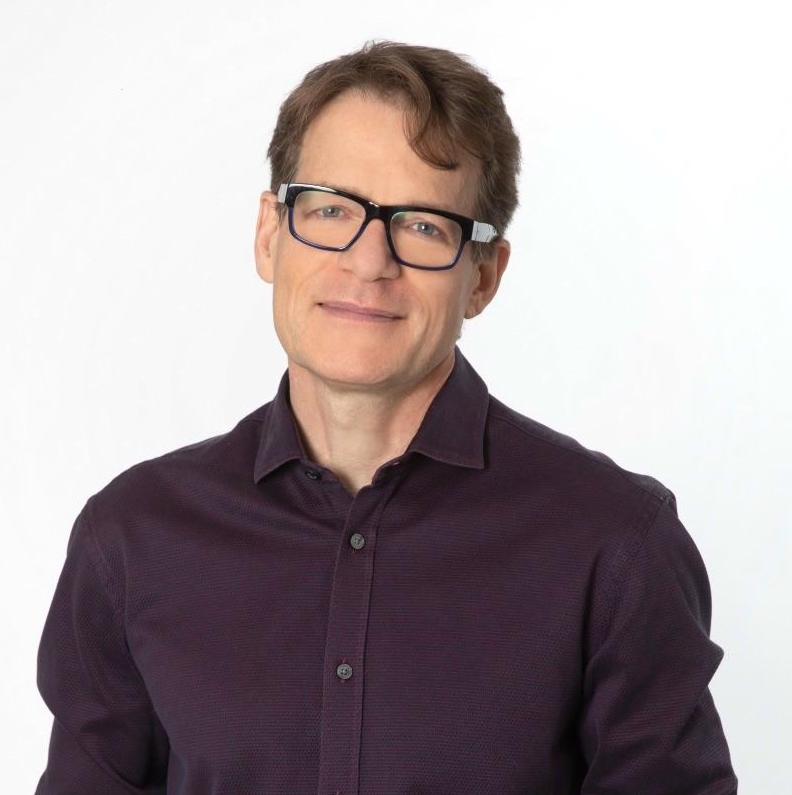
Context beats cookies. Meeting the consumer in the right mindset wins the moment.
Kerel Cooper Chief Marketing Officer, GumGum
Interviewed by John Horsley
Published
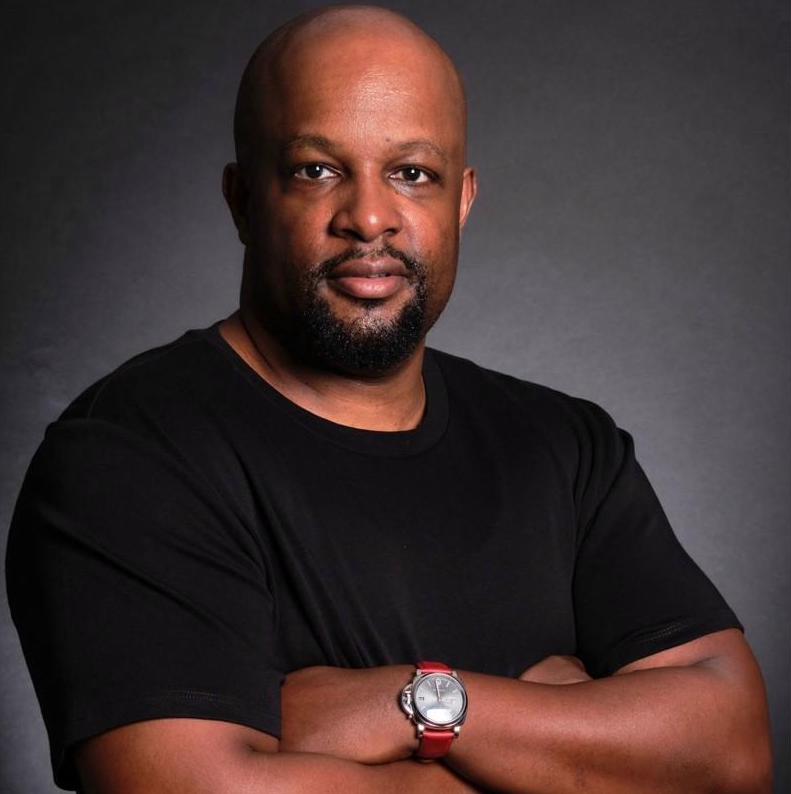
Kerel Cooper is Chief Marketing Officer at GumGum, the contextual advertising media company focused on powering meaningful connections between brands and consumers by matching brand with consumer when the consumer is in the right mindset to engage. Cooper has been at GumGum for 15 months in his second CMO role and has spent 26-plus years in advertising and marketing, with a non-traditional path to the C-suite that ran through ad operations at publishers, account management at LiveIntent, and President of Advertising at Group Black where he led the commercial organisation. He is also a podcast host and teaches at Kean University, his alma mater. In this conversation he sets out the mindset graph GumGum has built across previous campaign signals, creative performance, and other signals; the consumer-survey finding that 49% of consumers feel digital advertising is creepy; the Chelsea-versus-Liverpool example of how mindset shapes which ad should be served; why he thinks AI will make marketers better communicators rather than worse; the case for widening the talent pool to include people from neuroscience and hospitality; and the people are always watching principle as the foundation of his approach to mentorship.
What GumGum is, and a 26-year career
The proposition.
GumGum is a contextual advertising media company focused on powering meaningful connections between brands and consumers. We use contextual advertising to match brand with consumer when the consumer is in the right mindset to engage. I've been here 15 months as CMO. 26-plus years in advertising and marketing across various roles, from ad operations to account management to product marketing, and this is my second CMO stint.
On the non-traditional path.
My career background is not a traditional path to the CMO role. I didn't come up the ranks of marketing. I ran ad operations teams at publishers. I ran account management teams at LiveIntent before I was a CMO. At Group Black, I was President of Advertising leading our entire commercial organisation. Those experiences across different areas of the business taught me what sales teams go through on the front lines, what account-management teams go through, how operations work. The combination has helped me be a better CMO: process from operations, revenue focus from running commercial teams, the discipline of being a great partner to the rest of the organisation.
On the biggest change in 26 years.
The biggest change is the impact of technology on the marketplace. When I started my career, there was no Facebook, no Instagram, no X. AI wasn't trendy. There was no iPhone. As technology has developed, it changes the way marketers think and businesses think.
It was probably more data-driven back then than people remember, but the metrics were different. What makes today different (especially with AI) is the ability to mix creativity and data to be more efficient and effective.
Why AI may make marketers better communicators, and the human-touch principle
The hot take.
Two things I keep thinking about with these tools. First: communication. The biggest challenge most organisations face is communication, internal and across departments. When you use AI tools (Chat, Perplexity, anything that runs on prompts), communication is as important as it's ever been. If you don't provide the right prompts, specific prompts, prompts in your brand voice, you won't get the responses or actions you want. Hot take: AI is going to help us become better communicators, because we have to be specific when we give prompts.
Second: the human touch. Customers and industry people I speak to are thinking about how they use AI to be more efficient internally while still having human touch points at every step of the process, whether that's the creative process or the media-planning brief. People still want human oversight at this point.
The Chelsea-versus-Liverpool example, and the mindset graph
On context as more than technical.
I'm a Premier League watcher and a Chelsea fan. Chelsea just had a huge match against Liverpool. They won, after being upset by Manchester United the previous weekend. While I'm watching, very excited that Chelsea wins, I'm in a joyful state, very happy about my team, full of pride. I'll follow them post-match, read articles, watch videos.
If brands understand the state of mind I'm in at that moment, they'll deliver better messaging and better product to me. Flip it: Chelsea loses a match they should have won, and I'm disappointed, anxious, stressed. That's a different set of messaging, a different set of products that should be shown.
The closer the industry can move toward understanding the mindset the consumer is in (reading an article, watching a video, listening to a podcast or audio), the better we'll be able to deliver advertising that is relevant and that performs better.
The product.
When you think about data plus creativity, that's the future for marketing and advertising. You always want data going into planning so you can understand the history of previous campaigns and executions. That data informs campaign strategy and informs creative through historical performance.
The product we've built (the mindset graph) looks at previous campaign signals, previous creative performance, and other signals, and uses that information to help brands get better at the planning process.
On what the data says about consumer trust.
Earlier this year we ran a consumer survey. Close to half of consumers (49%) felt that digital advertising is creepy. The reason they feel that way is the over-indexing on data and following people around the internet with advertising. People don't want that. People do understand that when you deliver an ad in the right context, they're more likely to engage and enjoy it.
That's where creativity comes in, and that's where pulling back on data and getting the mix between data and creativity right makes the consumer experience online better. The uncanny-valley experience hurts brands. When you ask consumers their favourite or most memorable ad, they have an answer; the answer is almost always an ad they had an emotional connection to.
Diversity, inclusion, and the temperature that cooled
On where the industry is.
If you had asked me four years ago I'd have said we were starting to make great progress, because unfortunate situations during the pandemic prompted companies to lean in (or say they were leaning in). Since then we've seen companies pull back. It's not as much of a priority for the industry or for companies as it has been, which is disappointing. There are still plenty of companies and groups pushing forward. The temperature has cooled. That's a shame, because the data is consistent: diverse teams, diverse organisations, diverse people on boards and in the C-suite tend to outperform their counterparts.
A specific example.
This is my first global CMO role. The backgrounds of the people on my team and their lived experiences are an asset. We have a number of people on the team who speak different languages, which as a global marketing organisation is a tangible benefit. We have a marketing manager in Japan who has taught me and my team so much about cultural differences and how to approach a marketplace like Japan from an advertising and marketing perspective. Without someone with that background and language, we would be completely lost in that market. US companies who try a one-size-fits-all approach run into the same wall; localisation and cultural nuance becomes a superpower.
The advice for an under-represented marketer aspiring to leadership.
Build the network. I've been in the industry over 26 years, and only one role (my first) came from filling out a job application. Every other role came from someone I knew or a connection I made. Strong network matters, and the right way to build it is to help others more than they help you.
Learn as much about AI and different technologies as you can. No matter how far you are in your career, there are always things to learn. I built my first agent two months ago. I'm not waiting for someone to build agents for me; I'm in there learning how to do it myself.
Hire for your weaknesses, then get out of the way
On the team.
Understand where your strengths and weaknesses are as a leader. I try to hire for my weaknesses. Then I give the people I've hired the space to do their job. I'm not a micromanager. The principle is straightforward: hire people who know their subject matter better than you do and get out of their way.
I set the vision (or am involved in setting it) and then turn it over to the team for execution. They understand the deadlines, the goals, what we need to accomplish. We also do something I think is valuable: once a week on a Friday we have an optional open forum where the team gets together virtually and the topic is creativity. New ideas. Things we should be testing. Things we should be trying to learn. We tell the team they have a blank canvas to create. The phrase we use is bigger and better. They know they have the freedom to be as creative as they can be, and we'll figure out the right mix together.
On giving back.
Teaching at Kean University, my alma mater, is one of the most rewarding experiences I've had. I get to give back to the campus where I learned, and I get to understand the perspective of the next generation of undergrads and graduates coming into the workforce. They tell me what they think about digital advertising and what they think about Nike's latest brand campaign. Those help shape my opinions, because they're the people buying things and setting trends.
On mentorship as example.
There've been many people throughout my life and career who have been impactful for me. What I want to do is be impactful for others, setting a great example day-to-day. The mentorship piece: people often think a mentor is someone you sit down with weekly to pick their brain. What I've realised over the years is that someone may not approach me at all, but because of the role I'm in (job, teaching), people are always watching. They watch your moves, what you say, how you conduct business, how you carry yourself. I want to be a great example for those coming next about how to approach the day-to-day and how to approach business and marketing.
The future of marketing, and widening the talent pool
On staying current.
I read a lot of content and watch a lot of videos. I find myself increasingly learning more about marketing and AI from Instagram and TikTok than from anywhere else. Stay curious. In this industry, because it moves so fast, if you get to a point where you think you know everything and stop learning, that's the moment you fall behind. Continue to learn and teach yourself. There are so many resources today.
On what comes next.
It's a combination. It certainly has to be more human. Today, more than ever, people choose to interact with brands and spend their dollars in places where the brand shares similar values and beliefs. The only way to get to that point is by developing a true human connection between brand and consumer, which means understanding people's mindset and engaging them when they are emotionally available to be engaged.
On the one thing he would change.
I would widen the talent pool. We recycle people over and over. Our industry is big but in a sense small; you see the same folks everywhere. As we talk about mindset and reaching people in an emotional state, I'd love to see people who understand the human brain (neuroscience) come into the industry more. As we talk about customer service and client services, I'd love to see people with a hospitality background. There's more room to widen who we recruit, beyond folks coming out of school and the same people moving from one company to another.
The question for the board
If context now beats cookies, what share of our targeting reaches the consumer in the right mindset versus chases their identifier?