Trust and credibility is the new currency in B2B. Be willing to unlearn.
Milka Privodanova Vice President of Marketing Solutions, Large Customers, International, LinkedIn
Interviewed by John Horsley
Published
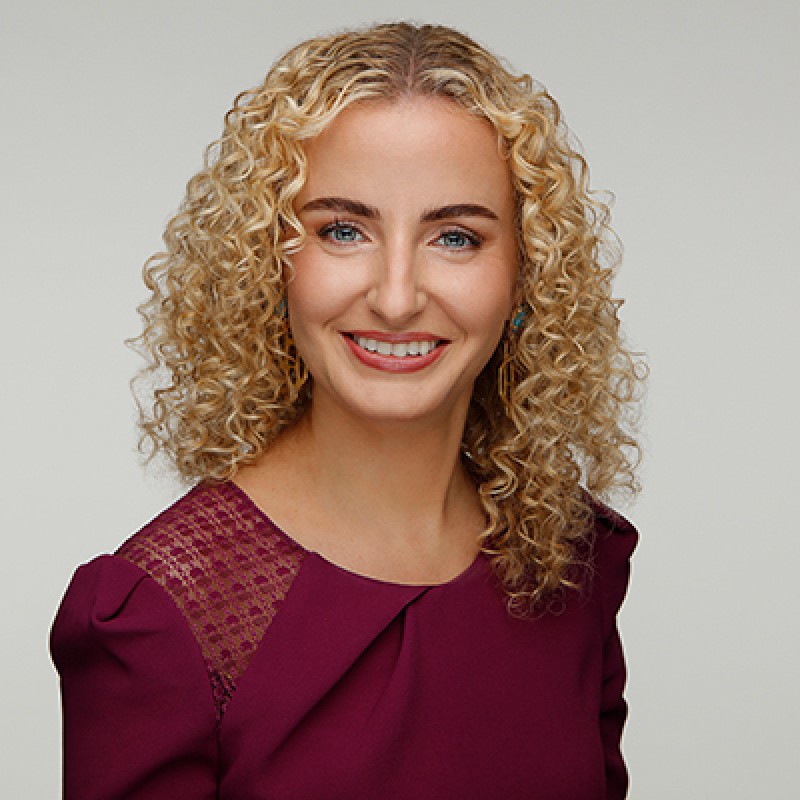
Milka Privodanova is Vice President of Marketing Solutions, Large Customers, International at LinkedIn. Her career began in business school in 2008. She joined Microsoft and Bing, moved through Pinterest, and is now at LinkedIn (1.3 billion members, 70 million companies). In this conversation she sets out the trust and credibility as the new currency in B2B change; the 70% of B2B buyers are now Gen Z or millennials demographic finding; the 95% of B2B buyers use LLMs in purchasing decisions observation; the LinkedIn is the number-one source for LLM professional queries Profound finding; and the AI-ready not AI-led leadership principle.
A career from monetising-Facebook-as-a-case-study to LinkedIn
The setup.
In 2008 I went to business school. I had only worked in Bulgaria before. I did not know what I wanted to do. I took classes in real estate, private equity, and one called managing media companies. We worked on cases. I worked on a project to figure out how to monetise Facebook in 2008. I loved it. Microsoft hired me. My career progressed from there: Bing, Pinterest, now LinkedIn.
What has drawn me to each role: the company, the product, the people, the values.
Trust is the new currency in B2B
On the influence move.
B2B is moving from brand-led messaging to ecosystem credibility. People want to hear from other people, much less than from logos. Anybody in the company or B2B creators can become the source of credibility if you have a point of view.
A demographic driver: 70% of B2B buyers today are Gen Z or millennials. A complete change. The content they engage with most is video (the current format of the internet). The way they build credibility is by listening to real people with opinions and points of view they can trust to make decisions.
On the buyer cycle.
The B2B buyer cycle is 211 days with over 20 people involved. 95% of buyers are not in market at any one time. You need to be marketing to these people before they are at the place where they make decisions.
How brands measure makes the difference. We still see companies thinking last-click (vanity, last interaction) when what should be measured is real impact: revenue, pipeline, velocity of pipeline, deals closed. More holistic measurement using our tools to see what really drove the customer experience.
95% of B2B buyers use LLMs in purchasing decisions
On the second big move.
We cannot mention this and not mention LLMs. 95% of B2B buyers are now using LLMs to make purchasing decisions. So much that happens without companies seeing it.
A recent Profound research finding: LinkedIn is the number-one source of information for LLMs for professional queries. Why? It is a professional network. Real people having real conversations. Brands must think about how to show up in LLMs so they can be considered. Being viable means being known and being trusted. If you are not present, you cannot be discovered.
On the threshold for consideration.
When we surveyed B2B buyers, the brands chosen were known to 80% of the buying group on day one. You really have to be in that. The discipline: a thoughtful long planning cycle. Take advantage of video. Build credibility through trusted voices: creators, employees, people with credibility in your area.
80% of B2B CMOs say creators are critical to their marketing strategy. LinkedIn is investing in giving brands the opportunity to connect with creators. You need somebody who is credible to talk about your product.
B2C influencers carry celebrity. B2B creators carry credibility.
On the distinction.
B2C influencer marketing has been around many years. B2B is a recent move. The difference: B2C is the halo of celebrity. B2B is the halo of credibility. Creators come to LinkedIn to build credibility, connect with decision-makers, and drive real business impact rather than chase followers.
Between 2021 and 2025 the number of creators on LinkedIn doubled. Anybody in the company with a point of view is, in a way, an influencer. Original perspective is what matters.
On Thought Leader Ads as the proof point.
One of our well-performing formats. A senior person (CEO or anyone in the company) writes a post. If it gets good engagement, you can boost it. Thought Leader Ads are performing incredibly well. Speaks to the move toward credibility versus just views.
AI-ready, not AI-led
On the leadership principle.
60% of search is now zero-click. As someone from search, I would never have imagined this exists. Teams that will succeed are AI-ready teams, not AI-led teams. Find where AI can do the heavy lifting and humans steer the story. Not one or the other. Both, with AI doing the heavy lift and humans providing the curation, tone of voice, and creativity.
Visual storytelling is the number-one growing skill in the UK for marketers. Such a human capability. Augment the human side with what AI can deliver. The risk if things become too automated and formulaic is content becoming the same or similar. 60-70% of an ad's effectiveness is the creative. Creativity and storytelling will remain irreplaceable.
On learn-and-unlearn.
I have been lucky with amazing teams. Any leader is as good as their team.
A personal belief: to succeed, you have to be willing to learn and willing to unlearn. With many years of experience, there are notions of how things are done. Be intentional about what I am unlearning and what I am learning. A critical area of focus.
The question for the board
If 95% of B2B buyers now use LLMs in purchasing decisions, what share of marketing spend builds the expert original voice LLMs surface versus the last-click metrics the LLM bypasses?