The brands winning emotionally are brave enough to become part of the story itself.
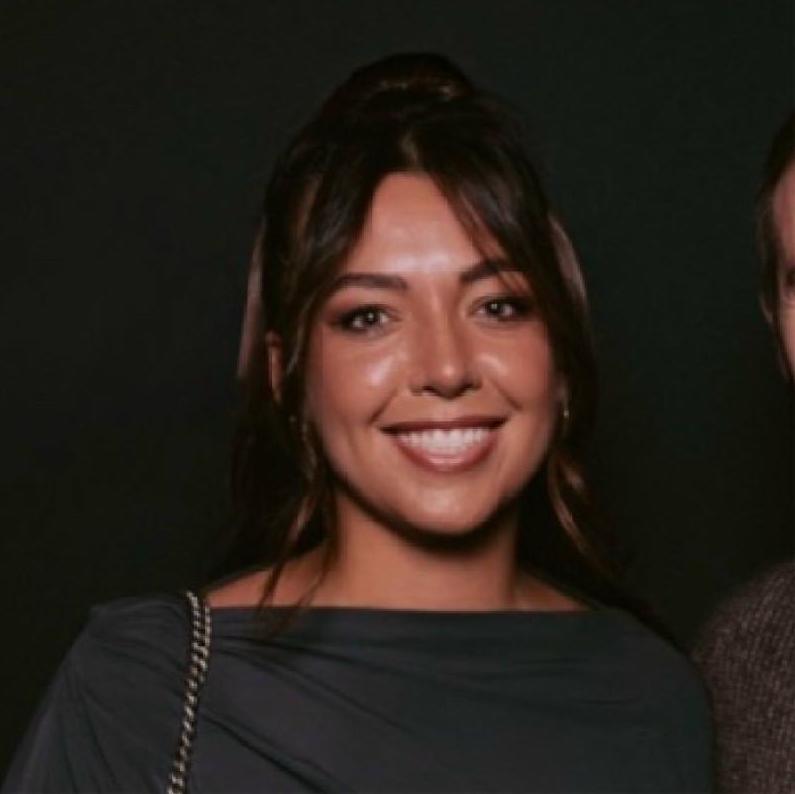
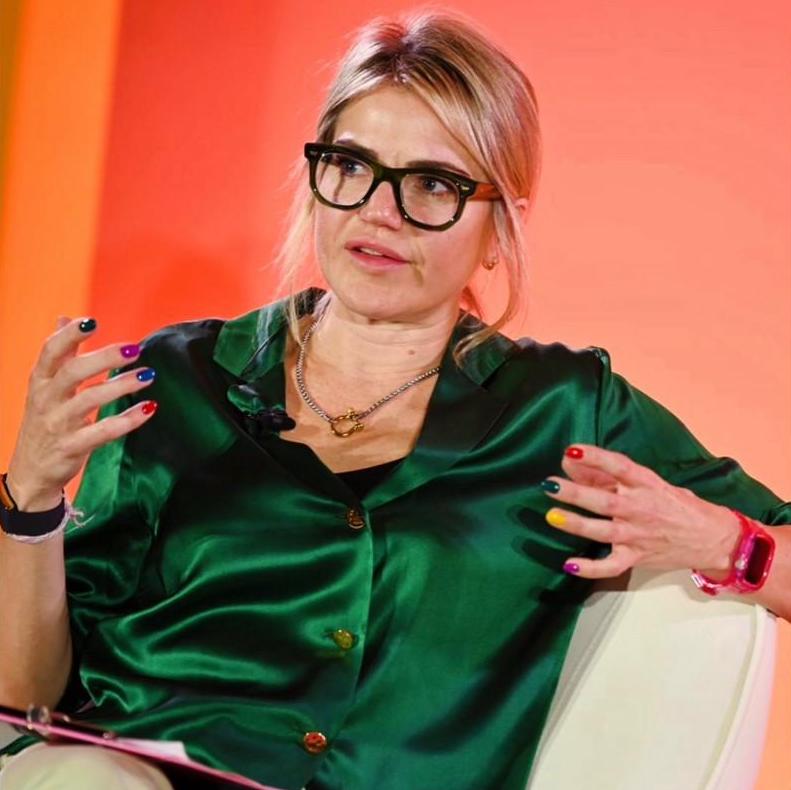
Cat Botibol Business Development Director, Secret Cinema
Interviewed by John Horsley
Published

Cat Botibol is Business Development Director at Secret Cinema, the immersive storytelling company that has spent 17 years bringing films and television shows to life as ticketed live experiences, and now works with brands through its Studio Secret Cinema offering. Brand partners include Häagen-Dazs, Bombay Sapphire, Virgin Media, EE, and Coca-Cola, with experiences spanning Stranger Things, Casino Royale, and others. In this conversation Botibol sets out the audience research showing 80% of live-entertainment-goers come to be awestruck, 80% come to connect with others, and 76% come to connect with themselves; the 63% of Secret Cinema audiences who reported buying a brand after seeing it inside an experience; the principle that participation is not one size fits all; why the content engine model puts the live event at the heart of an integrated campaign; and why she believes the best earned media often comes from curated content creators rather than the general audience.
What Secret Cinema is, and the Coca-Cola vending-machine moment
The proposition.
We create immersive storytelling experiences: live events where everything is designed to transport the audience into the story. We've been going for 17 years, working with films and TV shows, bringing them to life in real life so people can step into them and have a role inside the story world. We now work with brands through Studio Secret Cinema, applying the same craft: creating environments people can step into, with a role and a reason to be in the world when they arrive.
On the Coca-Cola example.
When we partner with brands inside our ticketed experiences, we're particular about making sure the brand is authentically represented in the environment. Inside our Stranger Things experience, we built the Starcourt Mall from the 1980s. What would be in the Starcourt Mall? Vending machines. We had Coca-Cola vending machines with 80s Coke branding and 80s Coke-branded cans. Then a theatrical moment where Eleven uses her powers to lift the Coke cans out of the vending machine into her hands. That's the kind of moment a brand wants to be part of. The brand exists in a world the audience loves, which helps people see the brand as more relevant to them and creates a deeper emotional connection.
The awe, the connection, and the 63% who bought
The motivations that drive people to pay for a live experience.
We interviewed 1,500 live-entertainment-goers (people who buy tickets to experiences, festivals, live music, live sports, escape rooms) to find out what motivates them. It wasn't about bragging rights. It wasn't about filming and sharing it with friends. Three things came out top.
80% said they wanted to be awestruck. 80% said they wanted to connect with other people. 76% said they wanted to connect with themselves.
People are motivated to attend live experiences for connection. That's a clear and powerful statistic for any brand thinking about whether to invest in live.
The behaviour data.
63% of Secret Cinema attendees we interviewed said they had gone and bought a brand after seeing it at one of our experiences. Not propensity to purchase, an interesting metric in itself: this was actual purchase. For brand love, brand relevance, and driving real action, immersive events can be very powerful tools. Beyond having a great product, experience is probably the strongest way to make people care about a brand.
The content engine, and the EE family-summer example
On integration into the wider media plan.
We talk about our brand events as content engines. The event sits at the heart of an integrated campaign in which earned media and publicity often play a major part, alongside paid media and content. Last summer with Have Us Play for EE, we created a one-hour original circus experience for EE Home broadband, aimed at a family audience. 1,500 people came to the live experience. We filmed it and turned it into a 30-minute piece of branded entertainment that EE now uses through summer holidays and half-term as a free piece of family entertainment, at a time when parents are looking for things to do with the kids at home. That's an example of the live event being credible cultural entertainment, with the digital and earned distribution off the back of it amplifying the asset.
On what gets measured.
The metrics vary by project. The more regular ones are social buzz, PR, and media reach off the back of the content the event produces. But where experience is particularly powerful is on brand relevancy: is this a brand that understands me? Immersive events can move the needle on that. The other powerful one is perception change and the drive to action: the 63% purchase figure speaks to that directly.
No phones, and the content creators who tell the story for the audience
On the connection-versus-earned-media tension.
Historically Secret Cinema has asked audiences to put their phones away at our own ticketed events. People come for connection. Can you truly connect with yourself and others at a live event when you're filming it, when your window onto the event is the screen? Chris Martin asked the Glastonbury audience to put phones away for one song two years ago. Big Berlin clubs put stickers over phone cameras. How long until others stand up and say no phones in this gig?
For brand events, the approach is different. We build in places designed for the phone to come out, so the audience can collaboratively create with the experience.
A specific technique.
For brand events, we work with valued, high-quality content creators rather than relying on the general audience to spread the word. If you curate the audience well and put the right professional content creators in the room, the earned-media piece happens through them. Which means the consumers who came can live in the moment and connect with the event.
The audience-psychology insight on participation.
People do want to participate. Mistake brands sometimes make is thinking participation is a single thing. One person's idea of participation is sitting a few rows closer to the front, and that for them is stepping outside their comfort zone. Another person's is getting up on stage and singing a song, which is the idea of hell on earth for the first person.
If we asked 90% of people before an experience whether they want to interact with a performer, they'd say no. We get well over 10% interacting with performers at the show. That's because we craft many small ways for people to inch their comfort levels forward. Brands and marketers asking for collaboration and participation need to remember the subtlety: respect every comfort level in the room.
Tech, telco, and culture-commerce together
On the sectors.
Entertainment is our heartland, and we see a lot of interest from there. Tech and telco are the two other particularly interesting sectors. Many tech and telco products are ephemeral; they sit behind a screen, or they're a subscription. They're a bit like air with no tangible physicality. Events and experiences let consumers see and touch the brand, which cements it in reality and helps people trust it. That's part of why we're seeing such interest from those sectors.
On the balance.
Andy Warhol said art is the best kind of business. He was the forefather of the melding of culture and commerce together. The two are inextricably woven. If you want to make your art, you have to understand the business behind it. Commerce is an amazing facilitator of some of the most powerful pieces of creativity. The two push each other to make better-quality creative work. I love the high-low: highbrow creativity, lowbrow creativity, and the tension between them.
Memories are stories, and the structural argument for live
On legacy.
Memory is the test. Any event or experience a brand invests in should be unforgettable. Otherwise why spend the money? The way to make something unforgettable is to genuinely understand the emotional path you're taking people on and instigate some kind of emotional change.
Memories are stories. That's at the heart of what our industry is about: storytelling. Craft and tell the right stories, because those are what people will remember. Make what you're doing unforgettable, instigate the emotional change, tell the right story to remember, and you'll live forever in someone's mind. The content the event produces is one way the work lives on (the EE evergreen piece is a good example). What you really want is to live on in people's memories.
A reflection on the trend.
The more you mediate your life digitally, the more luxurious and premium meeting someone face to face for a drink or coffee becomes. The majority of media spend is on digital channels. If a brand shows up face to face with a consumer, the power and the premium of that is going to keep growing as the rest of life gets more digital. That's a structural argument for live.
There's a real change from brands speaking at audiences to brands inviting audiences in with them. Social media taught everyone that you can't just shout. The brands and experiences that work invite people to be inside the world with them.
On career advice.
Two things. Keep your head up. Spend as little time as possible in your house or flat. Be out and about, going to events and things you're passionate about, head up, looking people in the eye and finding out what they do, having something to say about what you're passionate about. Sitting in your room emailing people and watching content online is not how you find your power.
Second, you can be creative in any job. The word creative doesn't need to be in the job title, and the company doesn't have to be the most creative company you've ever worked for. You can bring creativity to any job in any company. People worry that going into a corporate role means turning the creativity down. That's the superpower. In a room with corporate people, sometimes my job is to be the most creative person there. In a room with very creative people, my job is to be the most corporate. The language you use, the way you describe and present what you do, that's creative work.
The question for the board
If the brands winning emotionally are part of the story, what share of our marketing earns the audience's participation versus interrupts it?