Consent is now a performance metric. Trust is the new marketing.
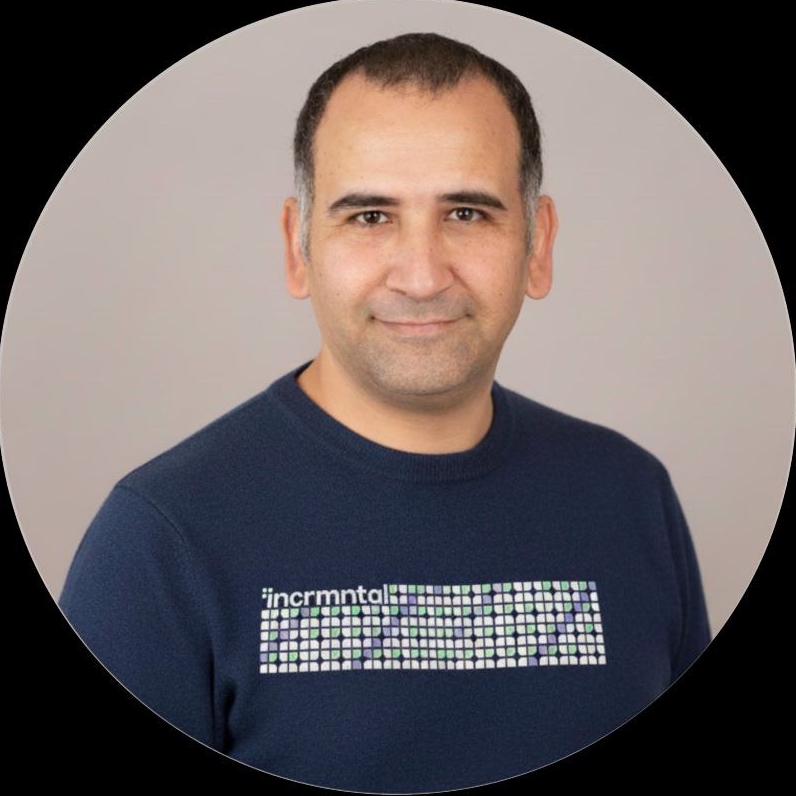
Chris Elsheikhi VP Demand Generation, Usercentrics
Interviewed by John Horsley
Published

Chris Elsheikhi is Vice President of Demand Generation at Usercentrics, the privacy-led marketing platform based out of Lisbon with global offices. His career runs across emerging-category demand creation: UK General Manager for the first on-demand taxi app in the UK (just before Uber launched), then in Los Angeles at the forefront of creator commerce at Teespring, helping millions of content creators sell products through YouTube and Instagram integrations. Before joining Usercentrics he ran his own consultancy in Lisbon helping early-stage businesses grow. In this conversation he sets out the privacy-led marketing category Usercentrics is defining; the 60% of conversion data is all Google or Meta can see by default finding (40% don't opt in); the consent rate as the new performance metric principle; the micro-influencer parallel for first-party trust; the multi-channel, scrappy demand-generation playbook for starting from scratch; the 3% of LinkedIn users post three times a week gap; the SEMrush study finding that robust trust-and-compliance setup is favoured by LLMs; the Shopify-in-ChatGPT moment; and the closing principle: you don't have to be the smartest person in the room, but you have to drive hard and be willing to learn.
A career creating demand in categories people didn't know existed
The setup.
My career has been about selling things people don't yet know they need but desperately do. Ten years ago I was UK General Manager for the first on-demand taxi app in the UK, just before Uber launched. Everyone had heard about the idea of booking taxis via apps but nobody was doing it. Driving adoption was difficult.
Then to Los Angeles at the forefront of creator commerce at Teespring. We worked with YouTube and Instagram to build integrations so content creators could sell products to fans. At the time, creators were timid about selling.
Now at Usercentrics, based in Lisbon, in a new era of marketing called privacy-led marketing. Trust is defined by the customer giving consent. Consent is a performance metric in this new world.
The 60% data problem
On what marketers truly see.
Usercentrics surveyed 10,000 internet users on brand integrity, trust, and interactions. The key finding: when you get a conversion on your website, Google or Meta can only see 60% of the data by default. On average, 40% of customers aren't opting in to share their data. That's a messed-up signal to optimise against.
The most important metric to optimise on is the consent rate. When a customer consents, they're offering you all their data so you can build campaigns from a clean data set.
On the practical answer.
A cookie-disappearance world requires Google consent mode and a CMP (consent management platform) that relays information back to whichever platform. You need to grab visibility into the 40%. Optimise on clean data, then build the campaigns.
The mistake: using modelled data coming from the platform where AI makes assumptions about where customers came from.
Trust optimisation, and the micro-influencer parallel
On the discipline.
We use the analogy of the hamster wheel: more A/B tests, more spend, more channels. You can run as fast as you like, but marketing has changed. Trust is what it sounds like: the customer comfortable enough to give you their data, opt into your newsletter, click the cookie banner, join your membership programme. True first-party signals. That's what we need to optimise for.
Privacy regulation is no longer a barrier; it's an opportunity. A case of earning the right. A huge opportunity. It's not going back to the Wild West.
On the micro-influencer analogy.
At Teespring, mega creators with 15-20 million YouTube subscribers sold less product than smaller creators with 5,000-10,000 Instagram followers. They were talking to a deeply engaged group, creating content for them, selling product they knew the audience wanted. Trust, connection, monetised easily.
The parallel: when you ask a customer to click on the cookie banner, join the membership, sign up for the newsletter, they're trusting you. They're offering data and trust. Top-of-funnel thinking (more, more, more) loses people along the way; the first-party world has more friction but the person who's gone through the opt-in genuinely wants to hear from you.
Thought leadership as a B2B demand-gen channel
On the model.
What's working in B2B is real thought leadership: not I got married today and here's what it taught me about B2B sales. Building in public. Here's what I've learned, here's my vision for the business. If you crack that, you become a content creator yourself and you build trust authentically.
In my consultancy days I was posting on LinkedIn every day; my mates made fun of me. Over time my outbound response rate improved across the multi-channel motion (email plus LinkedIn plus DMs plus content). The only reason was that I was posting useful content each day.
On the gap.
LinkedIn is underutilised. Only around 3% of users post at least three times a week. If you can post the content properly and know who you're speaking to in a way they genuinely care about, it's a major edge. It's free, in inverted commas, to do.
LLM-driven discovery and the trust-and-compliance signal
On the new front line.
The Shopify update means you can purchase directly from the Shopify store inside ChatGPT: search for a band T-shirt or whatever, the store populates inside ChatGPT, conversion happens on Shopify but is surfaced through the chat.
Usercentrics did a study with Semrush. The data indicates that websites with a robust trust-and-compliance setup (a CMP, like ours, that's healthy and working) are favoured by LLMs. Not 100% verifiable, but the data points that way.
The pub analogy.
Someone tells you a big story; you go and ask a few pals, do you know what Johnny's talking about? LLMs work the same way. They check the brand site, then check industry sites, publications, authority publishers because they have dense subject-matter content. How you analyse content and where you distribute it.
The question for the board
If only 60% of conversion data is visible without consent, what share of our investment builds first-party trust versus optimises on platform guesses?