The Holy Grail of marketing is simpler than most people believe. Five truths.
Greg P. Licciardi VP Sponsorships & Partner Programs, ANA · Author & Lecturer
Interviewed by Justin Cooke
Published

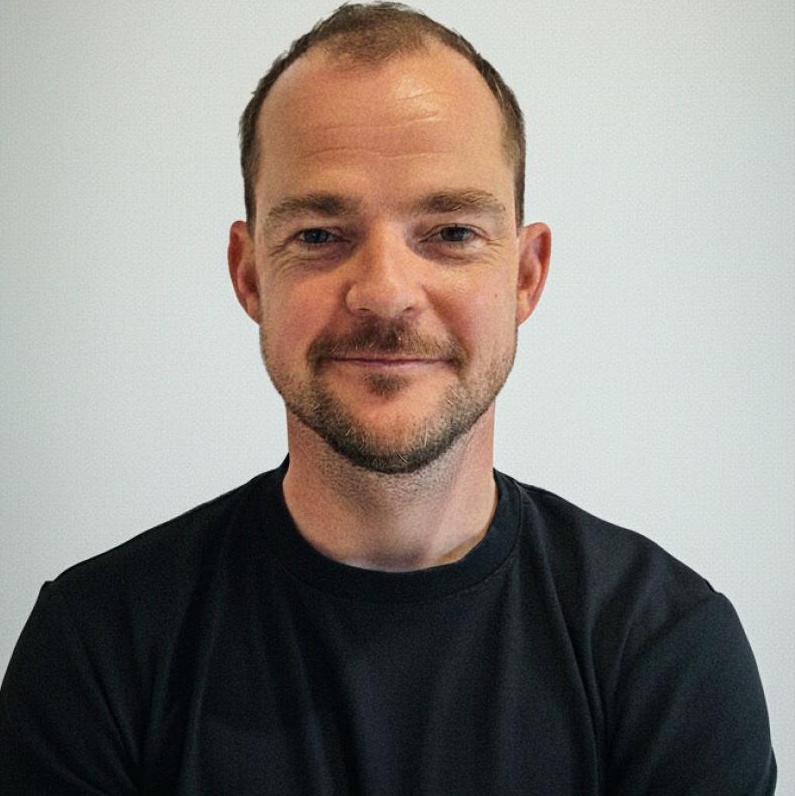
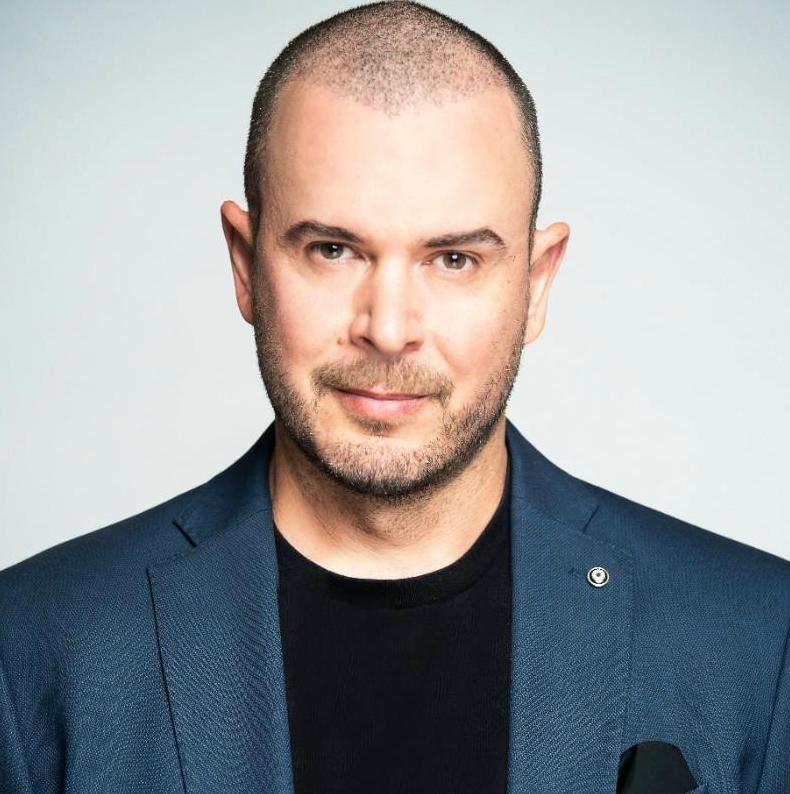
Greg Licciardi is the author of The Holy Grail of Marketing, VP of Sponsorships and Partner Programs at the ANA (the Association of National Advertisers), and a lecturer in marketing and business innovation at Fordham University and Seton Hall University, where he has taught for ten years. His career has run through television, print, digital, and technology platforms. The book compresses decades of practice into a framework of five rights: right person, right message, right time, right environment, right outcome. It draws on conversations with John Gillis (early hire at Harry's Razors), Randy Sipes (CMO of The Weather Company), Patrick O'Keefe (CMO of e.l.f. Skin Care), and Vera Hsu (Microsoft AI and data). The tagline: how to optimise for marketing success using AI and beyond. The and beyond matters: the warning is that brands dazzled by AI are losing the emotional connection with the consumer. In this conversation he sets out the Wendy's-at-11am Friday epiphany that started it; how Harry's launched against Gillette's 67% market share with disciples, gamification, and a simple proposition; the e.l.f. Radiance Report with The Weather Company built on the 80% of women base their beauty routine on the weather finding; the humans in the loop principle from Vera Hsu at Microsoft; the Nike Winning at all costs Olympics cautionary case, and the Why Do It turnaround; the queen-bee analogy for lookalike audiences picked up at an industry-event bar; and the holistic audit principle that says one missed right drains the budget.
The Wendy's-at-11am epiphany, and the five rights as a holistic frame
The origin moment.
Coming out of the pandemic I became a fast-food junkie. I got hooked on Wendy's, the chicken sandwiches and the fries. I'd order on Grubhub before a Zoom call. On Fridays around 11 a.m. I started receiving Wendy's ads in my social feed. I said to myself: this is the Holy Grail of marketing.
Right person: they knew I'd been in there. Right message: they were sending me offers. Right time: impeccably right before lunch. Right environment: they reached me in the social feeds I used. Right outcome: I wasn't going to Burger King or McDonald's. I was going back to Wendy's. From there I researched companies doing it well and companies that weren't.
On how the rights connect.
The book is a holistic approach. You can hire a hotshot creative agency for a Super Bowl spot for a new sneaker line. If the ad runs when the sneakers aren't on the shelves, everything is out the window. You can buy a programmatic campaign at the lowest CPM across 50,000 websites, and most of the impressions are bots on fraudulent sites and you've done more harm than good.
Hit on all cylinders or don't hit at all. Marketers focus on one or two rights, get excited about the creative or the new platform, and lose sight of the environment or the message. It has to be orchestrated. It has to work together.
On what trips marketers up today.
With automation, the right most missed is environment. Brands get caught up on low CPMs and on being on multiple platforms at once. They lose sight of whether the platforms are right. New media-science firms looking at user engagement and ad contextualisation are addressing this; they're in the book.
The other miss is outcome. Stephen Covey's begin with the end in mind is the principle. Define the outcome at the start. Everything fits into it.
Harry's Razors versus Gillette, and the e.l.f. Radiance Report
A worked example.
I met John Gillis, an early hire at Harry's Razors. He told me the framework I'd been describing was exactly what made them successful. They used messaging from their early customers, who became their disciples and preachers. They used gamification and high-engagement marketing techniques in high-engagement environments. They were up against Goliath: Gillette had 67% market share.
When you go against the Goliath, you're forced to survive and to innovate. The process was iterative, done in real time while they were changing things and flying. They got to market fast and concentrated their unique selling proposition into something simple: a stylish, affordable razor sent to a young man's home, fulfilling the white space.
On reaching the right person at the right time.
I got to The Weather Company's CMO, Randy Sipes (the business was owned by IBM at the time, since spun off). She told me everything at The Weather Company is about reaching the right person at the right time, and gave me three case studies.
The main one is e.l.f. Skin Care, the fastest-growing beauty brand (35% year-over-year growth for four years, buying up other brands). Their CMO, Patrick O'Keefe, is in the book. e.l.f. found a finding from The Weather Company: roughly 80% of women base their beauty routine on the weather. They had the Halo Glow Primer. They built a campaign called the Radiance Report with The Weather Company. The results are in the book.
On the warning from Microsoft's Vera Hsu.
I interviewed Vera Hsu, who's high up at Microsoft in AI and data. She told me it's so important the book is going beyond AI and optimisation. What she's writing about and telling her staff: the importance of upskilling with AI and the importance of maintaining the human element in marketing. If that's lost, the brand will be washed away. There's a whole chapter in the book on brand ethos and brand purpose: keep it intact as you go 100 miles an hour using AI and the rest. Consistency matters.
How disparate teams come together, and why the framework is more useful for startups
On the orchestration question.
Reach a young Gen Z segment and you're hiring influencers who carry the message and lend credibility, the different tribes carrying it forward. You're working with an influencer firm, a creative firm, an insights-and-data group, and the technology team that makes sure the ads resonate, that it's in culture and in language. Different parts of the marketing team, internal and external, working together.
The components are related. You can't have the right message unless you know the right person. The right person comes from data and research (in-person, third-party, first-party). Once you have that, the question is where this person consumes media (TikTok, Snap, Twitter, LinkedIn). Hit on all cylinders.
On the smaller-brand point.
The smaller the budget, the less room for error and the more you have to optimise. Find the right person at the right time in the right environments with the right message, and you save money. The barrier to entry is coming down. Harry's broke through against a Goliath who spent billions a year because they optimised with strategic effort on a minuscule budget.
It works for the partner starting a new watch website or a handbag site. I once started a dog website and my wife told me we weren't dipping into our life savings: put $1,000 against this and if it's not profitable, you're shutting the site down. That forces creativity, partnerships, and using the passion to find audiences. Sometimes the budget constraint is a good thing.
Personalisation, agentic AI, and the Darwinism of the next six months
On what AI gives us.
AI gives us personalisation. I used to work at a UX firm with a SaaS platform; one client was Goop, founded by Gwyneth Paltrow. They used responsive pages: buy fuchsia nail polish and the next visit shows you fuchsia lipstick and fuchsia accessories. Personalisation to the previous purchasing behaviour took conversion rates up and made the path from awareness to purchase faster.
Agentic AI does the same in real time at scale. Retailers can personalise messaging so the customer feels comfortable, attention is gained quickly, and checkout is reached at pace. The humanisation is knowing customers and delivering messages in line with their interests, desires, and likes, and doing it in authentic ways. One-size-fits-all programmatic and automation gets you the impressions and loses you the long-term position. Move forward cautiously. The authenticity and user experience are what win.
On the next six months.
Real personalisation is the ability to respond in authentic ways in real time. Not a bot on a website saying hello, may I help you, here's our customer service number. Real, authentic empathy relating to the consumer in real time. If that promise is delivered by OpenAI the way they're talking about it (and by the other AI firms), it will be game-changing.
The companies that grab hold of it first will be the winners. It's Darwinism. If you're not at the level being delivered with agentic AI (and whatever it's called in the next two months), you'll lose market share and sales.
The Nike Winning at all costs misstep, and the queen-bee analogy
The cautionary case.
Nike ran a campaign during the summer Olympics on the theme Winning at all costs. It said don't worry about empathy. All focused on the athlete and the competitive nature: winning at all costs. The timing during the Olympics with young athletes got a lot of criticism. I featured it in the book because they missed the mark.
Nike has since done a 180 with Why Do It, a play on Just Do It. It's brilliant because the why is personal, the substitute for what drives you.
The biggest miss is often timing: the product isn't at retail, it's out of stock, or it's been recalled and the brand is still marketing it. The weather is the simplest example: don't run ice-cream programmatic display when it's -17. Don't promote skiing in the Northeast in July. Come to Stratton Mountain.
A story he picked up at an industry-event bar.
I was at a bar yesterday having lunch. I was next to two programmatic guys and a creative. We started talking about marketing and lookalike audiences. A guy called David gave the analogy: it takes one good impression that the others can follow. It's like a swarm of bees. The queen bee bites into the flower and all the others swarm around. We're looking for the queen bee. When we find her, we turn the faucets up and drive all the impressions around her. That goes into the next book.
Who the book is for, and how to test the framework tomorrow
The audience.
Anyone accountable to every dollar spent on marketing. The CEO who wants to know more about what the CMO is doing. The startup founder who just got $30m to take a business to the moon and needs to know how to market it. The grad student who wants to know the trends so they're prepared when they get into the field. Case studies drive the success of the book because the lessons are real-life applications. A chapter on companies not doing Holy Grail marketing is in there too, because the misses are learning.
I thanked my integrated marketing communications class at Fordham in the acknowledgements: I sent them chapters to read before publication and grad students gave me brilliant feedback. It was a group effort. A book with the title Holy Grail of Marketing has to live up to that.
The audit principle.
Do an audit of the campaigns. Are we hitting the right person at the right time in the right environment? Are these buying firms truly delivering our ads in the right environments? Are we seeing results?
ROI is paramount. John Wanamaker's famous line: I know half my advertising is working, I just don't know which half. That can't happen any more. Use the framework properly and you'll know what's working and what's not. It's holistic. Do audits. Watch every aspect of the campaign and do check-ins, because one miss can drain the budget and drain the effectiveness.
The question for the board
If the Holy Grail of marketing is simpler than most believe, what share of our briefs reduces to five truths versus expands to fifty tactics?