Big ideas and great design should never have been separated in the first place.
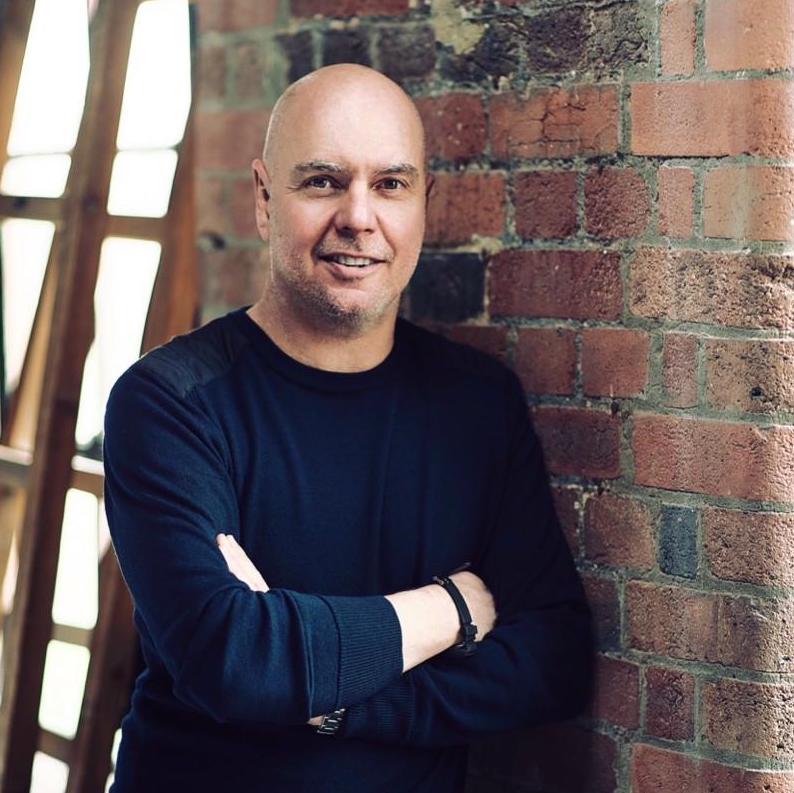
Oli Bealby Co-founder, Stereo Creative (US)
Interviewed by Justin Cooke
Published
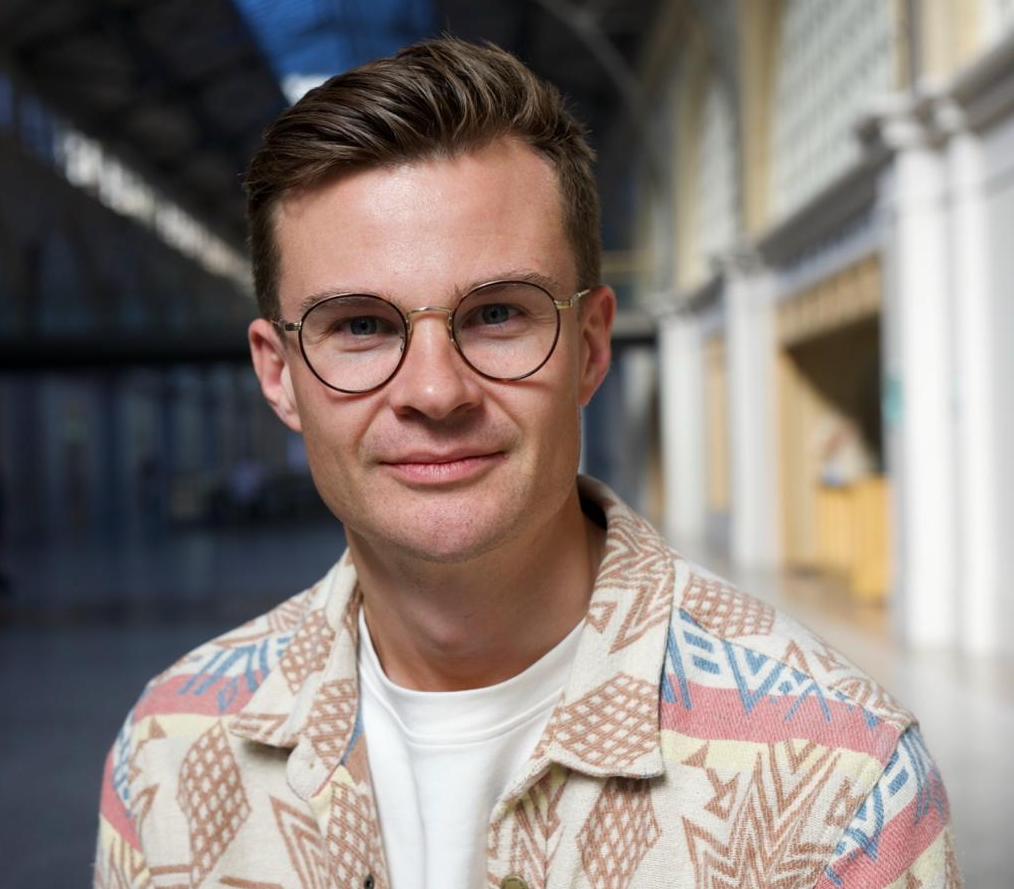
Oli Bealby is co-founder of Stereo Creative's US business, the culturally charged creative agency with offices in San Francisco, Portland, LA, and now Austin, and a team approaching 20 people across the West Coast. Stereo's UK team incubated the US business; clients include the San Francisco 49ers, the Professional Women's Hockey League, LG Electronics, OpenTable, Opendoor, Ripple, and Crocs. Bealby moved to San Francisco nine years ago, and reset two years ago to launch the US arm. His career runs from public-sector exhibition sales (the cold-face training that taught him what marketing is for), through JWT (strategic-planning pedigree), a small indie agency where he learned B2B and Silicon Valley tech, McCann (big-idea thinking, platform brands, brand devices, consistency), and Founded (strategy depth) before going acquired and joining Stereo. In this conversation he sets out the agency's founding principle that big ideas and great design shouldn't be held separate; why AI doesn't have a culture and what that means for the work; the Crocs Share the Joy platform built with the Muslim Sisterhood; the 49ers Rivalry Jersey two-part reveal with no CGI; the redistributing human value principle for how AI is integrated into the agency; the fine isn't good enough discipline; and the intrapreneurship path that let him start something new without making it a leap.
What Stereo is, and the founding contrarian principle
The proposition.
We describe ourselves as a culturally charged creative agency. The way we create culturally charged work is by going very deep into the audience we're trying to reach and the brands we're reaching them for. The founding principle: big ideas and great design shouldn't be held separate. That's contrarian to a lot of advertising agencies that try to separate the execution from the idea. We believe the two are integral, especially in a world where AI creates average-looking work that doesn't elevate a brand in a way that feels captivating.
The setup.
I started in sales, selling public-sector exhibition spaces for a conference company. That taught me what marketing is ultimately for: the growth of a business. And it taught me how hard that is on the cold face, picking up the phone and making the call. The value of what your brand can deliver is in that moment: when the person on the other end of the call knows who you are, the conversation is a hundred times easier.
I went to JWT for the strategic-planning pedigree (RIP). A small indie agency where I learned B2B and tech, which gave me Silicon Valley grounding. McCann for big-idea thinking and platform brands. A small shop called Founded, where I learned the depth of strategy work. Big-small-big-small kept the edges sharp. Resilience came from the highs and lows.
The pinch-yourself list.
I moved to San Francisco nine years ago with a different agency, hit reset two years ago, and Stereo reached out as they were looking to grow into the US market. The creative product made it irresistible. We started with my co-founder Matt and are now close to 20 people across the West Coast and (newly) Austin. Brands have taken notice: the San Francisco 49ers, the Professional Women's Hockey League, LG Electronics, OpenTable, Opendoor, Ripple, Crocs. We pinch ourselves. The vision is to keep building the client footprint across North America: a possible East Coast move, exploring Canada.
AI doesn't have a culture
On the differentiator.
It's been interesting to hear some industry talks where the position is it's just about the story. I disagree. Working with brands like the 49ers, you can't make it just about the story. There's nuance and detail that fans grip onto. Get those things wrong and they'll cancel you straight out. Pay attention, go deep, understand what matters to the fan, otherwise the work is dead on arrival. AI doesn't have a culture; the agency's job is to be the cultural antenna.
Crocs Share the Joy, and the 49ers Rivalry Jersey two-part reveal
A specific example of cultural depth.
We helped Crocs launch into the UAE around Ramadan and Eid, positioning Crocs as a gift in that moment. Most brands show up in that space in an introspective, pious register, leaning on religious cues. We did the opposite: we partnered with an organisation called the Muslim Sisterhood and built a platform that's been running for three years now, called Share the Joy. The creative is glamorous, bright, colourful, celebrating the moment in a distinctive way that is true for the culture and true for the brand. That's the discipline of finding the connection points and bringing them to life in different cultural contexts.
A campaign he's proud of.
The Rivalry Jersey is a one-off jersey worn at a single game against the team's chosen rivals (eight NFL teams have one this season; the 49ers are one). We did a two-part reveal: teaser plus actual reveal. The teaser had visual coding and sound coding (the sound was from a game with the Seattle Seahawks, which the fans picked up on; if you weren't a fan you still got the anticipation, almost Tarantino in mood).
We produced the film at rapid pace with limited time from brief to player access. Everything was done in a practical way, leaning into the design-first approach. Absolutely no CGI. That gave it texture and a beautiful film. We used projections. We crafted real saloon doors for the shoot (it's the saloon jersey). The reveal leaned into the history of the team and the Bay Area: what it means to settle rivalries, and what you wear when you settle one. The faithful were extraordinarily excited. The launch has been enormously successful.
Building the team: remote, intentional, and quarterly together
On structure.
It's all about the culture of the organisation. We talk about accountability and always say what can I do better before what someone else can do better. We talk about having each other's backs. That gives space for creating better work.
We're a remote team with pockets in different places. That gives people freedom in their lifestyle and lets us hire incredibly talented people up and down the West Coast and in Texas. There's no replacement for human contact, so we're intentional about that: we don't have massive office overheads, and we put that aside to bring the team together at least once a quarter, with little gatherings in between. We say the team is like learning to dance: one person has to step back so another can step forward.
On the practical reality.
The most obvious thing is the time zone. The UK team has design, motion graphics, strategy, conceptual creative, and account management departments, and they help us with overspill on anything we can't do in the US. The way we make it work is being deliberate and intentional in communication. Things can get lost in Slack. We check before we lob a grenade over the fence. The most important thing is the spirit of positive intent. When Matt and I opened in California, we went over to London and told the team: just remember we're in the same team; assume positive intent from our side and we'll assume it from yours. That takes any political challenge out of the way and lets the best work rise.
On the UK-US difference.
You have to understand what the cultural distance means: the use of humour, how creativity plays a different role, the diversity of the US fan bases. Find truths and commonalities that appeal at the scale of the US, which might differ from the UK. Football is a small example: the elaborate songs of a UK match versus the showmanship, cheerleaders, jets flying over stadiums, and tailgating of the US game. Understanding what those mean to clients and their customers takes time.
Redistributing human value: how AI fits into the agency
The principle that runs through Stereo's AI work.
We talk about redistributing human value. Where do we as people add the most value to our work and to clients, and how do we make sure more of our time is spent doing that, rather than the things that don't? Workflow allocation is time-consuming and gets it wrong is churn; if we can automate it, that's pure win. Brief input consolidation: ensure all inputs are captured so strategists have time to think about the right strategy for the creative opportunity, rather than chasing inputs.
Creative concept is still very much a human-driven process. We use AI in moments to bring an idea to life. The last thing we want to do is shortcut the creative process; a lot of the value comes from the process of reduction, which is something we're careful about interfering with. When we use AI to bring an idea to life, we also think carefully about how would we design it from scratch. We don't want that looks fine, because fine isn't good enough. Fine doesn't stand out. Fine isn't memorable.
On the trend.
There's a greater appreciation now for what a really high-quality creative product looks and feels like. In the past there wasn't as much appreciation for how design can carry so much meaning. The context of today makes design-level thinking and ideas-coming-together matter so much more. Clients understand that.
Tenacity, intrapreneurship, and the Berocca campaign that got him in
On the principles.
Never give up. You have to keep at it. When everything feels lost (and those moments come), keep at it. Tenacity is the number one thing. Grit, hard work, staying up late at night. It's an emotional feeling that hits you in the gut. The way through is back to the team, back to what you're trying to do, back to the wins.
Enjoy the highs. Celebrate the wins with the team that helped you make them. Make them memorable, because they carry you through the tough bits. Running an agency is a roller-coaster. The pendulum can swing in either direction every day. The way through is tenacity and having fun.
On what to learn.
Some things never change quickly: what persuades human beings, storytelling, how you build memory over time. The mediums and technologies around it change. Learn the basic principles of human behaviour and keep them in your heart. Then keep your finger on the pulse on technology, and connect it back to what influences human behaviour.
Don't get distracted by advertising is dead or AI is killing X. Learn it, understand it, use it, connect it back to the original principles of what makes great work great.
The advice he'd give his younger self.
Start your own agency earlier. The anxiety is real (will I succeed, do I have the capital?), and the truth is the later you go through life, the more money you need because of kids. Don't wait too long.
The other thing I didn't consider for a long time: intrapreneurship. The UK Stereo team incubated us and looked after us so well that we could pick up a phenomenal creative product and replicate it for the US market. For budding intrapreneurs listening, there are levels of risk you can take on that make it easier to start something new. A step rather than a leap.
The rapid-fire.
The JWT welcoming-day Berocca campaign. You, but on a really good day. A lumberjack tap-dancing on a log. The point is the feeling. Joyful, memorable. If I can have some involvement in doing that sort of thing in my career, then happy days.
The question for the board
If big ideas and great design should never have been separated, what share of our agency model brings them together versus runs them apart?