Social is no longer a channel. The truth is in the comments. Not the content.
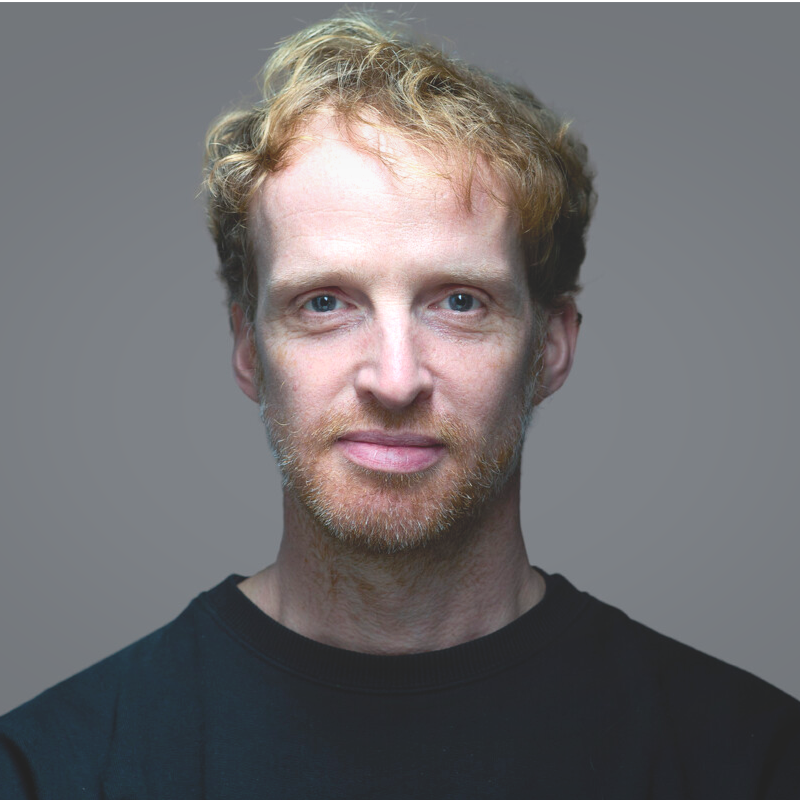
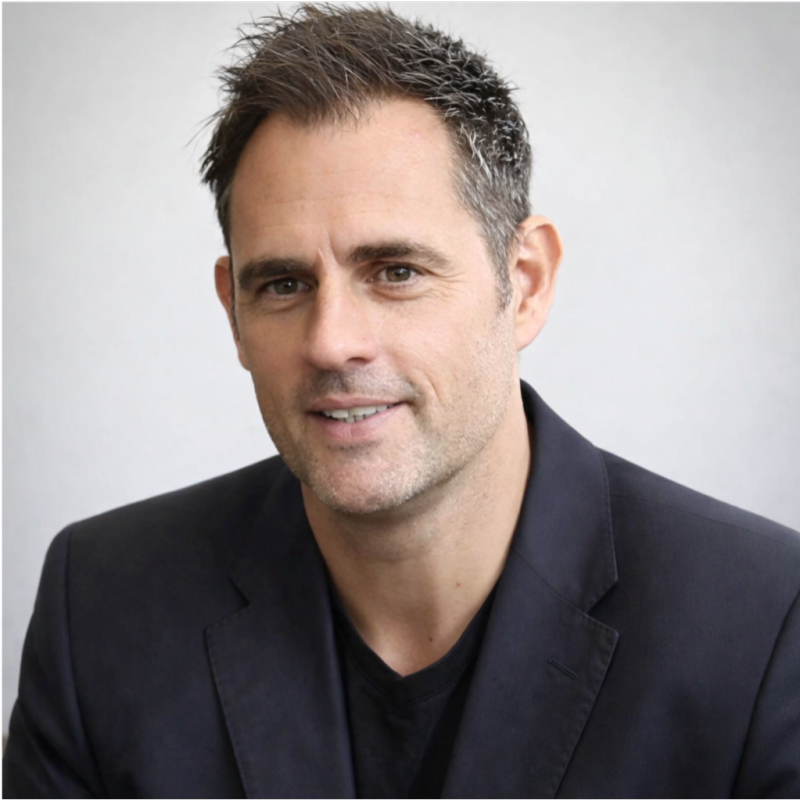
Toby Southgate Global Group Chief Executive Officer, We Are Social
Interviewed by Justin Cooke
Published

Toby Southgate is Global Group Chief Executive Officer at We Are Social, the 1,200-person, 16-office social-first creative agency. His career spans WPP, McCann Worldgroup (during its rebuild), Stagwell, and Forsman & Bodenfors. In this conversation he sets out the social is a behaviour, not a channel thesis; the truth is in the comments, not the content live feedback loop; the big idea has evolved but is more powerful than ever defence; the creativity is the problem-solving, never the output leadership principle; and the citizenship network operating model.
A career that started in a Scottish warehouse full of skateboards
The setup.
A bit of luck and a bit of accident. Spent most of my teenage years wanting to be a professional cricketer, did not make it, so I went to university. My grandfather said he would help financially if I did a proper subject. I did economics. I got a job in a bank because everyone who studies economics thinks they should get a job in a bank. Could not have hated it more. Six months and I left.
Back to Scotland, a publishing company that was trying to publish content online and sell it. A phone call from an agency: it seems you know something about the internet, could you come and talk to our agency about it? The only agencies I had heard of were recruitment agencies. I went thinking I was meeting a recruitment agent. What I found was an incredible old warehouse in Edinburgh full of people with skateboards, loud music, sneakers and jeans. Thinking I am at art school. This is freaking great. Navy Blue. Late 90s.
Social is a behaviour, not a channel
On the central thesis.
We Are Social is not We Are Social Media. We Are Social is a statement on how human beings build relationships across markets, with brands, with other human beings. Core to the fundamentals of marketing.
When we started our careers, with enough media budget you could almost guarantee success. No longer. With so many channels, success and impact come from behaviour, community, routes to engagement. The lessons brands can learn from what was once a specialist channel are now applicable across the brand-marketing picture.
On the live feedback loop.
Understanding people, communities, fandoms, behaviours, engagement. The live feedback loop: immediate reactions are always available through social media communications. The truth is in the comments, not necessarily in the content. Brands and businesses jumping into that loop authentically get traction quickly. A new muscle for marketers.
The big idea is not dead, but its definition has evolved
On the question.
I absolutely believe in the big idea. The definition has changed. A big idea in the 1990s (a sexy headline, a funky soundtrack, an anthemic narrative mood-film resembling a TV ad) is not enough today. No brand on the planet has enough media dollars to guarantee an anthemic film ad will achieve the marketing objectives.
What you have now: a big idea that lives in organic social can be huge if lots of people in real communities who care about a brand, a category, or an activity will talk about it, share it, and peel back layers of interest. The definition may have changed. The power is greater than ever. Its reach can expand faster than ever.
On Adidas as a worked example.
Personal passion: middle-aged man's running. Painful, but I enjoy it. Adidas does a tremendous job through the line. The brand repositioning and elevation over the last couple of years has been seismically impressive: transformed perception in many markets. Great in brand comms, organic social, tactical work, retail.
A forward-looking and ambitious brand that has connected marketing channels pretty seamlessly without committing to a huge monolithic single-agency relationship. Really impressive.
Creativity is the problem-solving, never the output
On the principle.
A self-serving comment with a deep-seated personal belief: in a world where data is essentially infinite, less trusted than ever, cheaper than ever, and where anyone can make anything average creatively pretty quickly, making something great is the only way to truly stand out.
You and I could make a film about this podcast in 20 minutes and publish it globally instantaneously. That is not creativity, that is execution. Creativity comes in the consideration and the craft. The craft is in the communication and execution.
Creativity is mostly a way of thinking about the problems we are here to solve. It is never a piece of output or an execution. Creativity is the whole solution to the problem: how you think about it, who shows up to talk about it, how you tackle it together.
On AI: efficiency from good to great.
Slop. When anyone can make anything quickly and cheaply to a certain quality standard, you get okayness. A lot of marketing is just okay. The worst thing you can do is be ignorable.
What AI does for us as an agency: efficiency through workflows. How do we get to good faster and then use the remaining time to get from good to great. Organisation across 1,200 people in 16 offices: tech to get better at organisation, communication, connectivity, and collaboration.
Leading a global creative agency: human-first, fragile
On the leadership ethic.
Creative companies are fragile and human-first. 1,200 people who need to feel good about what they are doing, their place in the world, the work they make. Happy, comfortable, looked after.
My job is really to support 1,200 other people, not to tell them what to do. The layer of leadership I cherish is to insulate our team of great people from difficulty, problem, and challenge, and to enable them to do the best work they can in an environment where they feel happy and productive. Fragility does not depend on size.
On the citizenship principle.
The very worst thing we could do is replicate what works somewhere else with replicant people doing the same skills. Citizenship of We Are Social, then citizenship of an office or region, then citizenship of a client or relationship.
The shared power of 1,200 people: what works in one market might work in another. Speed of development in one place reveals opportunities to engage clients in new ways. Sharing research and insights. Supporting global clients with relevance from Singapore, Sydney, Toronto, or New York even if their client team sits in London and Amsterdam.
The question for the board
If the truth is in the comments, what share of marketing spend participates in the conversation versus produces one-way content the audience quietly ignores?