Community and trust now beat pure reach. Every platform in the world knows it.
Leon Harlow Group Commercial Director, YMU
Interviewed by John Horsley
Published
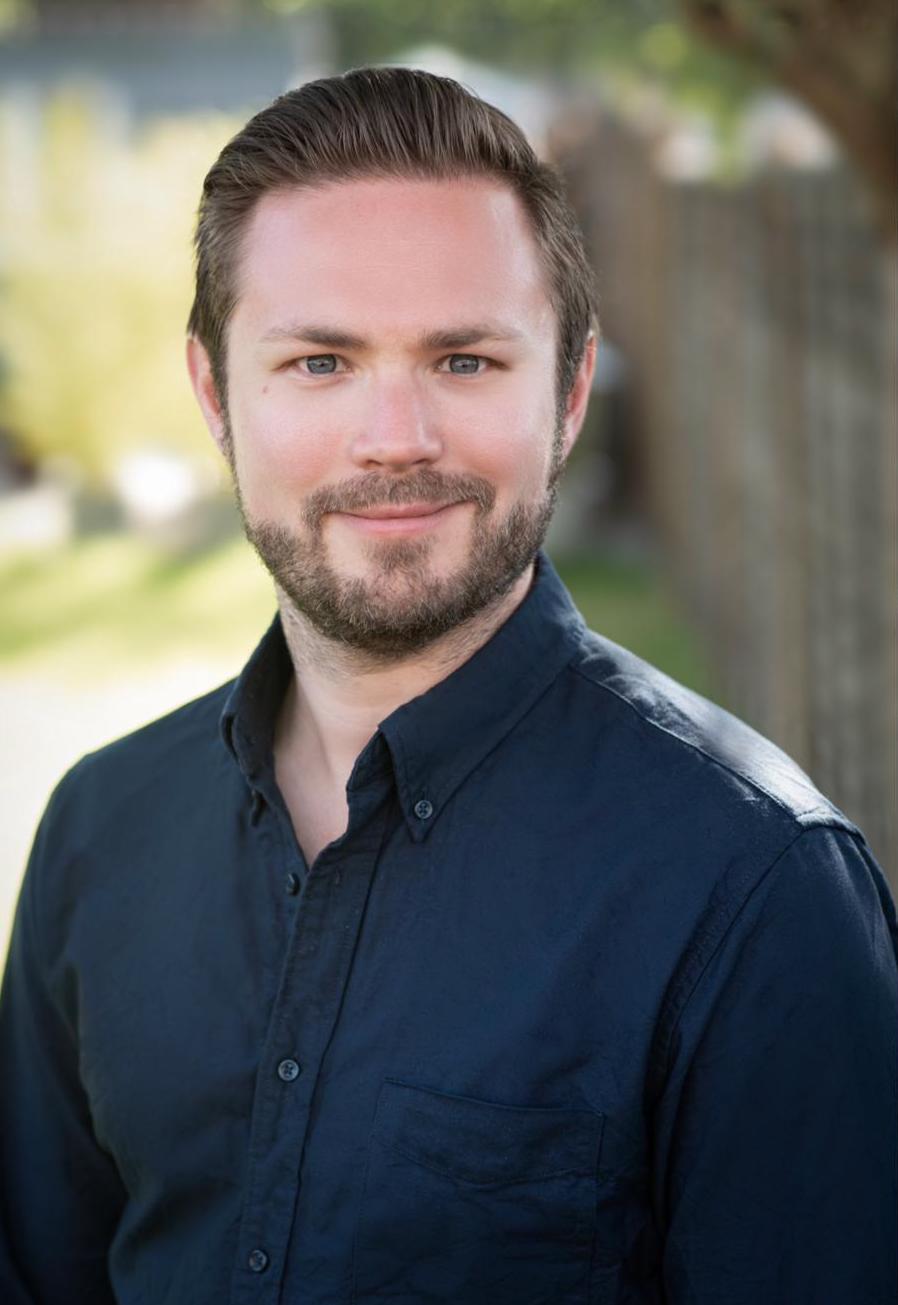
Leon Harlow is Group Commercial Director at YMU, the transatlantic talent management business and the largest in the UK. The YMU roster spans TV personalities (Ant & Dec, Graham Norton, Davina McCall, Emma Willis), high-profile creators (Mrs Hinch, Stacey Solomon, Grace Beverley, Fearne Cotton), chart-topping music artists, sports personalities, podcasters, and authors. The group also operates a sports-marketing consultancy working with Nestlé and Purina on sports sponsorship, with the ATP Tour, with Andy Murray, and with clients including Apple and Warner Brothers (Ted Lasso). Harlow has been in the industry for 14-plus years, starting brand-side at Unilever during the Keith Weed era before moving into talent management. In this conversation he sets out the three changes reshaping entertainment (speed, media fragmentation, feedback loops); the trust greater than reach principle; Shits and Gigs as a case study of fully organic, no-paid-promotion, sold-out-O2-with-a-few-social-posts community building; Mr Beast's $100m Amazon deal as a marker of the captive-fan-base economy; Grace Beverley's three multi-million-pound businesses by age 26; Stacey Solomon and Rehab growing 2,000% in year one; the YouTube is the new pilot stage principle (Miss Rachel, the Sidemen Inside, Cocomelon); the passion beats polish rule for brands; and the closing brief for any CMO: move capital out of disrupting content with ads and into owned ecosystems.
What YMU is
The setup.
Our world is talent and creators. YMU is a transatlantic talent management business, the largest in the UK, representing high-profile names across TV (Ant & Dec, Graham Norton, Davina McCall, Emma Willis), high-profile creators (Mrs Hinch, Stacey Solomon, many others), chart-topping music artists, sports personalities, podcasters, and authors.
Alongside the talent management business, the group operates a sports-marketing consultancy. The consultancy works with brands and rights-holders: Nestlé and Purina on sports sponsorship, the ATP Tour, talent like Andy Murray, and clients including Apple and Warner Brothers with Ted Lasso.
On the career path.
I started brand-side at Unilever in the Keith Weed era, then moved into talent agency work, first at a smaller talent management company to build their brand-partnerships team, then into the bigger group at YMU. Starting brand-side was a massive advantage: I could see and understand how marketers think about talent, storytelling, and working with people of influence. When you're working with talent, artists, creators, and personalities on shaping partnerships, bringing brands in, and making sure there's true value exchange between everyone, that grounding is the best start.
The gatekeeper change, and captive fan base as the underlying currency
On the macro change.
When I started talent-side, the traditional gatekeepers were incredibly important for talent and creators. There's been a gradual transfer where those gatekeepers have become less and less important. Talent and creators don't need to wait for commissioners; they connect directly with audiences, scale those audiences, and build their brands and IP direct-to-consumer.
Owning a captive, deeply engaged fan base is now the underlying currency in the entertainment ecosystem. Look at what Mr Beast has done: Amazon Prime paying $100m to create a TV show with him because he's built a captive fan base of around 350 million fans. That's what Amazon want to tap into.
A worked example.
Two creators of ours, James and Fouhad (known as Shits and Gigs), came to us just under five years ago. When they joined they weren't full-time creators; both had jobs to pay the bills and were podcasting on the side. They've steadily grown their fan base direct-to-consumer with no media partners, no paid promotion, all organic growth. They're now one of the fastest-growing comedy podcasts in the world, a bigger comedy show than pretty much anything on linear TV. A few months ago they sold out the O2 Arena with a few social posts, and the same went for a North America tour. Highly engaged communities, their own content IP, seven figures in revenue, all without commissioners or media partners from the outset.
The three changes reshaping entertainment: speed, fragmentation, feedback loops
On the macro.
The first change is the speed creators and talent can move at. No steering committees to sign things off, no long production cycles. If they spot a moment in culture they can react instantly in the content they put out. Audiences reward that real-time energy.
The second change is the fragmentation of traditional media. There's much more competition for attention. The shows on traditional media that used to get millions and millions of eyeballs have shrunk in number. People spend over an hour of viewing on TikTok a day and see thousands of pieces of content. Talent and creators that can build cross-platform ecosystem shows reach far larger audiences than some of the traditional channels.
The third change is feedback loops. Culture spreads faster when the crowd participates in the storytelling. The rise of creators is partly because they innately understand how to build community and then enable participation.
On the metric that matters.
There's still an obsession with reach. The metric more powerful than reach is trust. Highly engaged communities give you that trust at compounding return. Across the hundreds of clients we work with, the ones harnessing community are the ones growing fastest. They are not only building revenue; they are building businesses, ancillary income streams, innovation, opportunities. Trust and deep engagement outperform clicks and views.
How brands should engage communities: as participants, not from above
On the brand brief.
The opportunity for brands isn't to rethink the fundamentals of marketing. The fundamentals haven't changed. What's fundamental is how brands engage with communities: at a participatory level rather than hovering around or above. Understand what communities you want to tap into (sport, music, different niches), then become a participant in those communities so you're part of the conversation rather than hovering above it.
On the scale signal.
The £2.2bn figure shows that YouTube creators are no longer only building audiences; they are building businesses, and those businesses are contributing to the economy.
We represent Grace Beverley. Grace is a hugely successful content creator, YouTuber, and podcaster, and she has founded three multi-million-pound businesses by the age of 26: the fitness app and platform Shreddy, the sustainable activewear brand TALA, and The Productivity Method. She's just launched an AI company. She realised early that with a highly engaged community there are far greater long-term returns in building your own brand ventures than constantly running the treadmill of transactional brand deals.
Another client, Stacey Solomon, partnered with the ethical hair brand Rehab and took a third ownership stake. The first year she came on board, the business grew 2,000%, and that growth has continued.
Traditional talent are entering the creator-economy ecosystem too. Fearne Cotton ended her stint on Radio 1 seven years ago and started a podcast that became a whole wellness ecosystem: sell-out festivals, product lines, her own marketplace, Sunday Times best-selling books. From the talent's businesses, jobs and opportunities are being created for people in the wider media industry who are being displaced from production companies and broadcasters. A new groundswell of opportunity.
YouTube as the new pilot stage for TV, and the TopJaw to Apple TV case study
On the format change.
Creators aren't auditioning for TV; they're proving show formats on their own channels and getting commissioned. Miss Rachel, one of the world's biggest YouTube kids channels, signed a big deal with Netflix earlier this year. The Sidemen launched Inside on YouTube and Netflix commissioned it; Inside is heading into season two.
Same with content IP: Cocomelon started as a YouTube channel, became one of the biggest kids' YouTube channels globally, and that led to licensing deals with Netflix and Spotify. It's now billion-dollar IP.
YouTube has become this new pilot stage. Creators prove that audiences love their content, and then streamers and broadcasters come knocking.
A case study.
People talk about TopJaw being an overnight success. Six years ago Jesse and Will were part-time travel and food creators. Week after week they focused on giving their audience beautifully shot, immersive city guides and food-recommendations content with relentless consistency. They used short-form successfully through series like Best of London and Pint Shopping. As those scaled across platforms, more high-profile names were drawn to the formats: Ed Sheeran, Dua Lipa, Stanley Tucci, Jamie Oliver. They racked up around 36 million views.
No shortcuts, no gimmicks. The steady consistent grind of building community and creating great content, plus the brand DNA. Three things translated perfectly into premium long-form storytelling at that point: a crystal-clear format, a loyal community (not passive viewers), and content that already competed with traditional TV.
On the commissioning principle.
What Apple is looking for in creator-led formats is what many broadcasters and streamers are looking for now. Built-in audience demand: bring a community already invested, so the streamer is onboarding a fan base from day one. Formats that have personality, tone, and trust developed over years (emotional equity is incredibly valuable). And momentum in culture: creators that come in with heat, ideas shaped by what people care about now, not 12 or 24 months ago.
Passion beats polish: what brands can learn from creators who have stayed relevant a decade
On the discipline.
What brands can adapt from elite creators is consistency at scale: relentless content output across platforms while evolving the format, refreshing the storytelling, maintaining curiosity and personality, and tapping into what's trending in culture.
Community as the moat. A lot of brands are still focused on views. The real wins come from a fan base who feel part of it. When you show up consistently for a community, they show up consistently for you.
Passion beats polish. Many brands fall down the rabbit hole of high production values. Audiences can feel it when creators love what they do. Brands brilliantly tapping into formats right now (eBay, which we've just started working with, and brands that have used the employee creator by tapping into their workforce) are unlocking passion. That energy outperforms a lot of other marketing tactics in engaging community.
On longevity.
Bynet and Field, the long and short of it, all those principles aren't going away. They apply to content too. The temptation is to just change. Constantly putting new formats out without consistency isn't reinvention; it's volatility. Maintain DNA in the content and you achieve compounding success over time. That's true for artists and for creators.
The best creators have the ability to take the seat of the audience and ask what would they want to see? Ant & Dec, our clients for 20-something years, have an innate understanding of what their audience wants across primetime TV, social formats, and brand partnerships. What's going to delight an audience?
Every platform becomes a video platform, and windowing content IP
On the wall coming down.
Spotify striking a deal with Netflix to show video on the platform is a huge moment: previously audio-perceived platforms are now competing for visual attention too. Five or ten years ago video lived within video platforms and audio lived within audio platforms. Those walls are disappearing fast. Any time a barrier disappears in media, creators and talent win because they're the ones who can move quickest and tell stories audiences care about.
Every platform that wasn't originally built for video is adding video: Spotify, LinkedIn, X, Amazon. Video is the most powerful form of persuasion, entertainment, and community wrapped into one. For creators it has to be story-first and platform-second. That's the rule we work to with talent: whether it's long-form, short-form, vertical, or horizontal, the creators have to understand how to adapt their storytelling.
The other opportunity: more platforms means more data the creators have to handle and understand. The insights into who's watching, how long, and why are a much bigger task when distributing a show across 10 or 12 different platforms. Complexity, but the IP-building positives are real.
On the new distribution.
When you create content IP, who are the partners that can help you window that content to reach a bigger audience? Airlines, streamers, schools, gyms, all those different places. That's where we're thinking a lot at YMU.
On the discipline of reading the data.
The best creators understand how essential it is to read data. Mr Beast has whole data teams; he's become data-obsessed in his creative process. The data doesn't compromise his creativity; it informs it. Across our talent and creators in whatever genre, the most successful at building want the data, want to understand it, and want to bring people in to draw conclusions. Let it guide you, then decide whether what it's telling you is authentic to what you're trying to put out.
AI replaces functionality, not vitality, and the three ingredients of true co-creation
On the AI question.
Daniel Priestley summarised it well: AI is likely to replace the functionality in a creative business, rather than the vitality. AI speeds up production, brings costs down, helps creators distribute content in a more accelerated and strategic way. The underlying creativity for the best creators, and the vitality of the community-building, are still human. Community is the moat against the AI world. AI has functional benefits in speeding production and understanding data. The leveraging and building of community and the creativity within content remain a human part of the process.
On meaningful brand partnerships.
True co-creation has three ingredients. First, make the talent a stakeholder creatively. Too often brands turn up with a brief and say just make it fit. The highest-performing partnerships happen when the creator helps shape the storyline.
Second, shared skin in the game. Revenue participation, IP ownership, even fee-based structures with mechanics where both sides win as the brand grows. Sit with the creator at the start of the campaign and understand the value exchange beyond fees for services. Creators have their own objectives: reaching new audiences, developing IP, breaking new markets, launching new products. As a brand owner you can often help the creator achieve those objectives; enable some of them and the creator will over-deliver on the partnership.
Third, give the audience a seat at the table. Most partnerships are built within an echo chamber: the brand wants to push messages and the creator struggles to get their voice into the content. Neither side asks how do we create content that's audience-first? The best partnerships are where community input drives the product, the content, and the participation that creates emotional attachment.
On the discipline of iterating inside the partnership.
Not always the right strategic advice that brands should go long-term with creators. What brands should do is strive for authentic, aligned collaborations where the talent has been treated as a true creative partner rather than a media channel. The opportunity is to iterate inside the partnership: start on a thesis with objectives, then set a series of gates every three to six months where both sides come back and evaluate. What's working, what to change, what to adapt. That real-time creator mentality of adapting to culture and audience.
The IP that will matter most over the next five years
On the bets.
Most valuable IP over the next five years will be community-powered and multi-platform.
Character universes, beyond personalities. Steven Bartlett closed an eight-figure investment for his Steven.com creator-economy holding company against a roughly $425m valuation, with the ambition of building creator-IP-led universes. The next generation of franchises: creators building worlds, beyond singular interview-based formats.
IP rooted in identity and belonging. The rise in niches that feel like movements (wellness tribes, fandom collectives, aesthetic worlds). IP that creates deep community will scale quickly.
Formats that monetise participation. Live commerce, interactive storytelling, membership clubs, IP that audiences don't just watch but do. Participation creates emotional lock-in.
On the misconception.
The biggest misconception is creators as media channels. I'm looking for where I can place advertising, where I can reach audiences. Engaging with creators using the same methodology you'd use buying out-of-home placements. Creators should be treated more like a creative agency: come to them with a brief and a set of objectives, then collaborate creatively, bouncing off the ideas they bring. That's hard at scale with hundreds of micro-influencers, but for the macro talent and ambassador-level partnerships, it's an imperative. The creator is a stakeholder creatively, rather than an advert.
On the emerging categories.
Talent that blurs the lines between genres: a comedian who's also a tech founder, a beauty creator who's also in movies, a gamer launching a wellness brand. Audiences love when someone's ambition surprises them.
Experts that blur education and entertainment. Growing demand for people who make us smarter in a way that feels entertaining. Chefs, business figures, historians, wellness figures. The age of edutainment.
Podcasters with deep community pull. The intimacy of the podcast format is unmatched. The podcasters who can run live experiences, premium memberships, and product extensions will be some of the most powerful brand partners of the next era.
Creators who span the physical and digital. Talent emerging from gaming and virtual worlds will be the pioneers of new entertainment formats.
On the funnel principle.
The next layer down the funnel from a long-form podcast that works incredibly well is creators offering free two-way sessions with a smaller set of highly engaged fans. Hopping on a Zoom with around a thousand fans who want a deeper personal experience. It works because it's two-way and feels like true community.
Leadership across London, Manchester, New York, LA, and the closing brief for the CMO
On the model.
Gone are the days when one manager can pretend to maximise every area of a talent or creator's career. The new model is a team of specialists in different areas (brand partnerships, digital strategy, publishing, format development for TV) coalescing around the personality to help them achieve their career objectives.
Equip the people closest to talent and creators with resources, infrastructure, and data. When that's done well, talent feel the support immediately.
Learn from the edges. Innovation happens in a niche rather than in a head office. Listen to what's happening in Manchester's gaming community or Nashville's music scene and export those insights to the rest of the business before the wider market catches up.
On the discipline of longevity.
Protect the well-being of talent, creators, and teams as fiercely as the revenue. The creator world moves fast, sometimes too fast. Burnout is real. A transatlantic business only succeeds when everyone (the talent managed and the teams within) feels supported emotionally, creatively, and financially. Longevity is the real metric that matters. Creator and talent management is intensely personal, built on trust, timing, and the belief that you're in someone's corner for the long game. When the talent or creators you work with burn out, you have nothing. Their well-being is everything.
On the bets.
Move some of the capital you're spending disrupting content with ads into investing in owned ecosystems. The next two to three years will reward the brands that have built long-term cultural equity and cultivated community.
Treat creators as creative partners, beyond media channels.
Bet on communities over reach. Bigger growth engines come from a passionate niche. Prioritise marketing programmes that deepen belonging: participatory storytelling, exclusive drops, super-fans as advocates and co-marketers.
Integrate commerce into entertainment. Coming fast from the US and Asia. M&S has integrated live shopping across socials and other retailers are following. Shoppable shows, live selling, in-game purchasing, frictionless discovery-to-purchase.
Bet on first-party relationships. In a data-privacy era, owning that connection (loyalty, membership, community platforms) is increasingly a must-have moat against everything AI will throw at us.
On the advice for someone entering the industry.
Be more curious than anyone else. Access to what's going on in real-time in the industry is more readily available than it's ever been. Read more than anyone else. Know more than anyone else.
We're in a relationships industry. People buy people, and they will continue to buy people regardless of AI adoption. Build your network, build your personal brand, get into the rooms where you're alongside the key decision-makers. The earlier you can do that and the more you can do it, the better. I spent all of my 20s going to as many things as possible, and it has served me in the conversations I'm in now.
The question for the board
If trust now beats reach, what share of our partnership spend buys deep community alignment versus mass impressions?