Data is not the product. The outcome is. And you can't build it on sand.
Sarah Robertson Chief Product Officer, Experian
Interviewed by Justin Cooke
Published
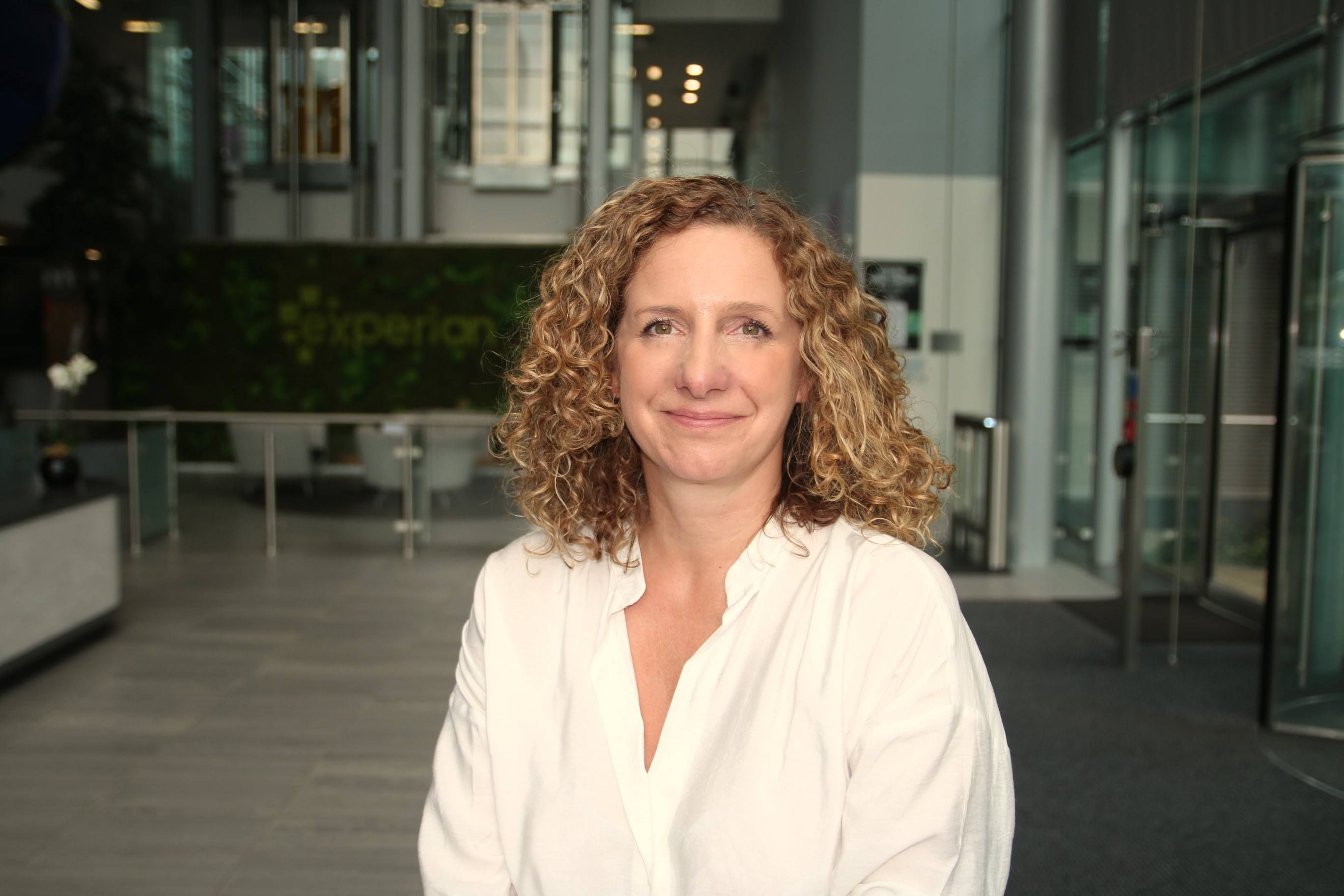
Sarah Robertson is Chief Product Officer at Experian, where she leads the data and software products the company takes to global markets. She is known for a rare composite view of the data problem, built from statistics, agency, consultancy, client leadership and insight, and for an insistence that data is only worth anything once it is tied to an outcome a customer will pay for.
Start with the outcome, then design the insight, then find the data
The setup.
Robertson says brands get the handover from knowing to doing wrong because they start with the wrong question. The real question is what outcome you are trying to drive. She began her career in statistics as an analyst, building a hypothesis and proving or disproving it through analytics and data, so for her the outcome has to drive everything. Only then do you design the insight, and only then do you know what data you need to serve that insight and outcome.
It is always rubbish in, rubbish out
On data quality.
Good quality trusted data is where you have to start, because it is not more data that drives better outcomes, it is the right data and the quality of it. In large organisations the chief data officer, chief marketing officer and technology officer often drive at slightly different things and never agree on the single business outcome. People fixate on the technology, implement a new system or data lake, and never think about the data going into it. The job is to reverse that: define the outcome and build the strategy around it. Segmentation stays a great tool, but only when it is ingrained across every channel and measured, not sitting in a deck.
You cannot build on sand
On foundations and identity.
Data is still quite disparate, and the hard part is connecting the dots as channels multiply and identities vary across them. A single person can hold four or five email addresses, the one for their bank different from the one for a loyalty card or a newsletter, so organisations still need a reasonable identity spine before they layer on other data. Many heritage businesses are still on legacy or mainframe systems, not fully cloud enabled, because transformation takes years. Get the foundations right first.
On the roadmap.
Once the foundations are right, that is the big transformation, and then you can iteratively build quickly, test and learn, and feature build on top. That is where most product organisations want to be, releasing client value fast in an agile way, while looking at how to expand into other markets.
AI is an engine and data is the fuel
On AI and the human.
AI will definitely help, mostly by speeding transformation, because you can now create code far quicker than before. But you still need the data in the right frame. Robertson frames AI as an engine and data as the fuel you put into it, and we all know what happens if you put diesel in a petrol car. You also need a driver, the human making sure the right fuel goes in and steering what the AI is doing.
Data becomes a product only when the customer will pay for it
On the product seat.
Product is more complex than people realise, with many gates to reach market. You start with the customer need, but you also test whether they value it enough to pay, because a customer who says they would love something then admits they would pay little is not a product. With a data product you clear the regulatory framework, build it, work out whether you can operationalise it, and serve it into platforms like Snowflake and Databricks where clients keep their own data. It is never build it and they will come, so you need a sales and marketing strategy and a plan to scale before the product peaks.
On going global.
The global product Worldview matters because large global retailers and ad tech firms want a consistent view of the world or of key markets. That reshapes how you bring products to market and forces you to weigh the regulation in each one, which is why Worldview was deliberately built with non-personal data so it could roll out to as many markets as possible.
They talk about the data and not the outcome
On what customers get wrong.
Data organisations talk about the data when the data is not the exciting bit, it is what you can do with it. Robertson changes the narrative from Mosaic being a great piece of segmentation to the outcome it drove, the marketing it enables and the money it saves. Across sectors the recurring surprise is how many supposedly sophisticated organisations are built on legacy. What drew her to marketing was the psychology: no one wakes up wanting a great credit card, there is a need behind it, and understanding that need is what drives the marketing and the data you need for it.
The softer skills are coming to the forefront
On building teams.
Hiring is changing with AI. Robertson is bringing in someone with no product experience, because the skills she now prizes are emotional intelligence, critical thinking and commerciality, none of which she thinks can be taught. A framework she can teach a bright person. The interviews are deliberately harsh, including a timed test to present back, and she watches for candidates leaning on AI, having once interviewed someone reading answers off a phone who could not give a real example.
Be bolder, and lean into the mistakes
On decisions and speed.
Consultancy taught Robertson to be customer led and to decide fast, because you are always short on time. She is happy to say yes or no quickly: what is the information, what is the risk, and if it is low risk, just try it. Her advice to her younger self is to be bolder, because you learn a lot from the mistakes you make.
On what comes next.
In a few years the topic will still be AI, she says with some exasperation, but the real worry is what it does to people early in their careers. If businesses no longer need as many entry-level jobs, the long-term effect is not yet understood, and that will be the conversation.
Are we chasing more data, or fixing the data quality, the identity spine and the single outcome that would actually move the business?

Interview · Episode 142
Trust is scarcity. An LLM can report the news, but it cannot break it. Protect the journalism, or lose the value.
Pierce Cook-Anderson · Managing Director of Advertising, Mail Metro Media

Interview · Episode 141
Do not look like your category. Own your food and drink codes. Specialists win.
Olaf van Gerwen · Founder & Global Creative Director, Chuck Studios

Interview · Episode 140
Identity is the marketer's Rosetta Stone. Connect every touchpoint, or you measure none of them. And the death of the cookie made identity stronger.
Travis Clinger · Chief Connectivity & Ecosystem Officer and GM of International, LiveRamp